Choosing the right bathroom waterproofing materials is critical for ensuring a long-lasting, leak-free, and mold-resistant space. While tiles, fixtures, and aesthetics are important, the materials used to waterproof your bathroom determine whether your investment will last decades or fail within a few years.
Having worked on hundreds of bathroom renovation projects, I’ve seen how material choice directly impacts durability. Even perfectly installed tiles can fail if the underlying waterproofing materials are substandard. This guide breaks down the top waterproofing materials available in 2026, comparing cost, installation complexity, maintenance, and performance for different bathroom types.
For a broader overview, visit our Bathroom Waterproofing category which provides step-by-step guides and tips on installation and maintenance.
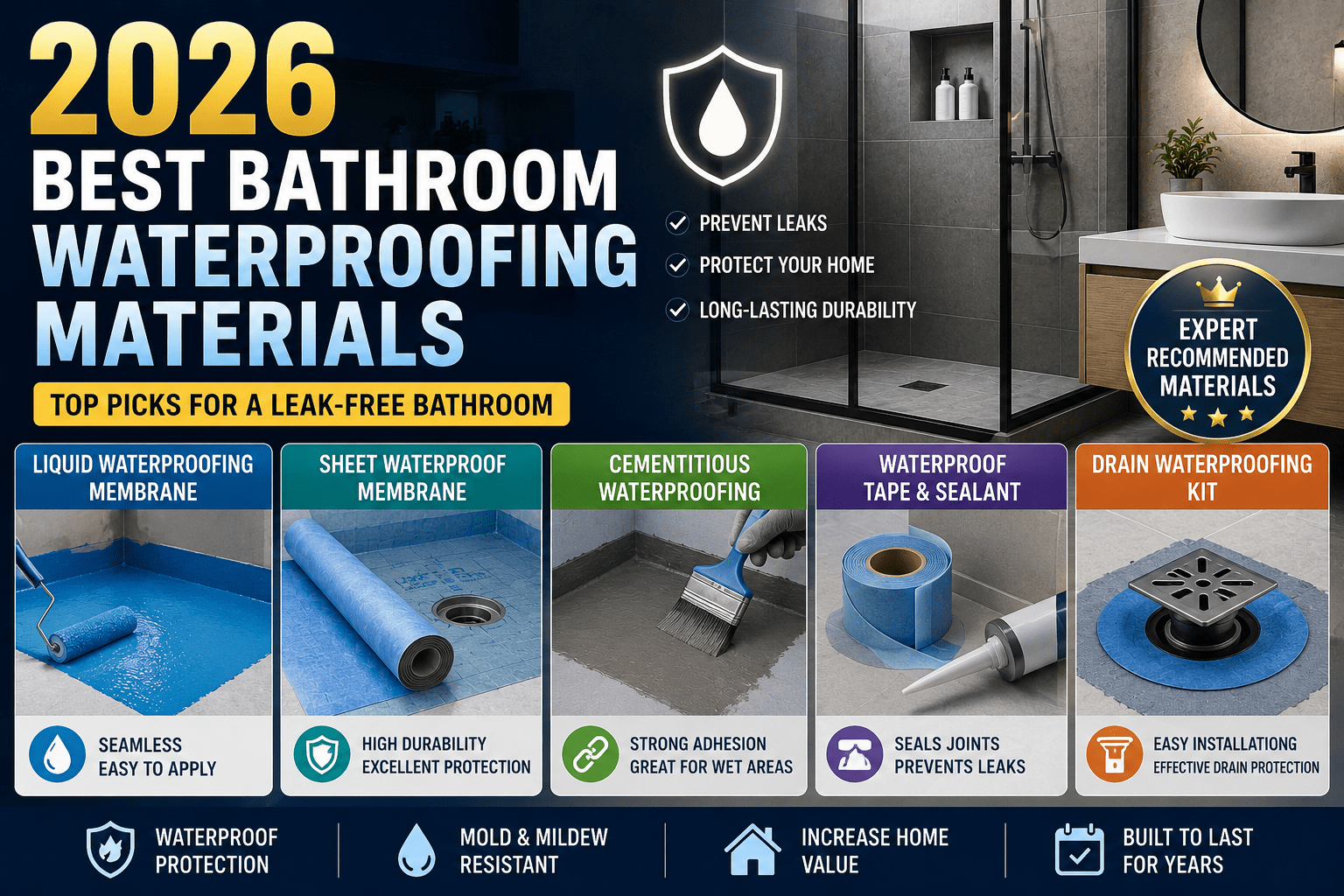
Quick Answer: Best Bathroom Waterproofing Materials in 2026
- Liquid-applied membranes
- Sheet membranes
- Polyurethane coatings
- Cementitious coatings
- Bituminous membranes (for subfloor applications)
1. Liquid-Applied Waterproofing Membranes
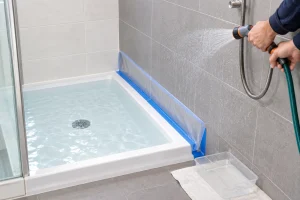
Liquid membranes are versatile and create a seamless waterproof layer when applied correctly.
Advantages
- Seamless coverage
- Flexible, adapts to corners and irregular surfaces
- DIY-friendly for small areas
Disadvantages
- Requires careful application thickness
- Curing time is essential
- Pinholes can cause leaks if not applied properly
Real usage: A homeowner applied two coats of liquid membrane in a small guest bathroom. Within 15 years, there were no leaks, demonstrating the system’s durability when applied correctly.
2. Sheet Membranes
Factory-made sheets provide consistent thickness and reliability, often used in luxury or large bathrooms.
Advantages
- Consistent thickness
- High durability
- Excellent long-term performance
Disadvantages
- Higher material and labor costs
- Seams require proper sealing
- Professional installation recommended
Scenario: In an apartment renovation, sheet membranes prevented leaks to units below, providing predictable results over 20+ years.
3. Polyurethane Coatings
Polyurethane membranes are highly flexible, crack-resistant, and ideal for high-moisture bathrooms.
Advantages
- Excellent flexibility and durability
- Long-lasting protection
- Resistant to chemicals and temperature changes
Disadvantages
- Expensive material
- Professional installation advised
4. Cementitious Coatings
These are common for DIY applications and concrete floors.
Advantages
- Easy application on stable surfaces
- Low material cost
- Good for minor wet areas
Disadvantages
- Not flexible; prone to cracking under movement
- Less long-term durability than polyurethane or sheet membranes
5. Bituminous Membranes
Primarily used in subfloor or exterior waterproofing, these membranes offer robust protection but are less common inside bathrooms.
Advantages
- Highly durable
- Resistant to moisture and chemicals
- Good for structural waterproofing
Disadvantages
- Not visually compatible for interior surfaces
- Professional installation required
Comparison Table of 2026 Bathroom Waterproofing Materials
| Material | Average Cost | Installation Difficulty | Maintenance | Advantages | Disadvantages |
|---|---|---|---|---|---|
| Liquid Membrane | Medium | Moderate | Low | Seamless, flexible | Thickness critical, curing required |
| Sheet Membrane | High | Moderate-Difficult | Low | Durable, consistent | Professional install, higher cost |
| Polyurethane | High | Moderate | Low | Flexible, long-lasting | Expensive |
| Cementitious | Low | Easy | Medium | Affordable, DIY-friendly | Prone to cracking, less flexible |
| Bituminous | Medium-High | Difficult | Low | Robust, chemical-resistant | Not suitable for interior surfaces |
Common Real-World Applications
- Small guest bathrooms: liquid membranes for flexibility and DIY installation
- Luxury master bathrooms: sheet or polyurethane membranes for long-term durability
- Apartment units: sheet membranes to protect adjacent floors and neighbors
- Concrete subfloors: cementitious or bituminous coatings depending on structural requirements
Frequently Asked Questions
1. Which waterproofing material is best for DIY?
Liquid membranes and cementitious coatings are generally most suitable for DIY projects.
2. How long do these materials last?
Liquid membranes last 12–20 years, sheet membranes 20–25 years, and polyurethane 20–30+ years when installed correctly.
3. Can cheap membranes work long-term?
Low-quality materials often fail sooner, leading to leaks and costly repairs.
4. Do I need professional installation?
Sheet and polyurethane membranes usually require professionals, while liquid and cementitious coatings can often be DIY-installed.
5. Can I combine materials?
Yes. Sometimes liquid membranes are used for corners and penetrations while sheet membranes cover larger floor areas.
Related Articles
- Bathroom Waterproofing Membrane Explained
- How to Waterproof a Bathroom Floor Properly
- Most Common Bathroom Waterproofing Mistakes
- Bathroom Leak Repair Without Removing Tiles
Core reference: Bathroom Waterproofing Core Guide
External reference: TCNA Waterproofing Guidelines
Conclusion
In 2026, bathroom waterproofing materials offer a range of options based on budget, bathroom size, and long-term performance. Liquid membranes are ideal for flexibility and DIY projects, sheet membranes provide consistent high performance for large or premium bathrooms, polyurethane ensures maximum durability, while cementitious and bituminous coatings are cost-effective options for subfloors and smaller applications. Selecting the right material and ensuring proper installation is essential to avoid leaks, mold, and structural damage for decades.