When designing a beautiful home interior, the ceiling is often overlooked. Many homeowners focus on flooring, furniture, and wall colors, but the ceiling can completely change the feeling of a room. A well-designed ceiling can make a space look larger, more elegant, and more customized.
Two popular ceiling styles in modern and traditional homes are coffered ceilings and tray ceilings. Both add architectural detail and improve visual appeal, but they create very different effects.
From my experience working on home renovation projects, homeowners often ask: “Which ceiling design is better for my bedroom or living room?” The answer depends on your room size, budget, ceiling height, and the atmosphere you want to create.
Quick Conclusion: Coffered Ceiling or Tray Ceiling?
If you want a luxurious, classic, and highly detailed ceiling design, a coffered ceiling is usually the better choice. It creates a dramatic architectural statement and works well in large rooms.
If you prefer a cleaner, modern appearance with a lower installation cost, a tray ceiling is often the smarter option. It adds depth without making the room feel too busy.
- Best for luxury homes: Coffered ceiling
- Best for bedrooms: Tray ceiling
- Best for small rooms: Simple tray ceiling design
- Best for large dining rooms: Coffered ceiling
- Best budget choice: Tray ceiling
What Is a Coffered Ceiling?
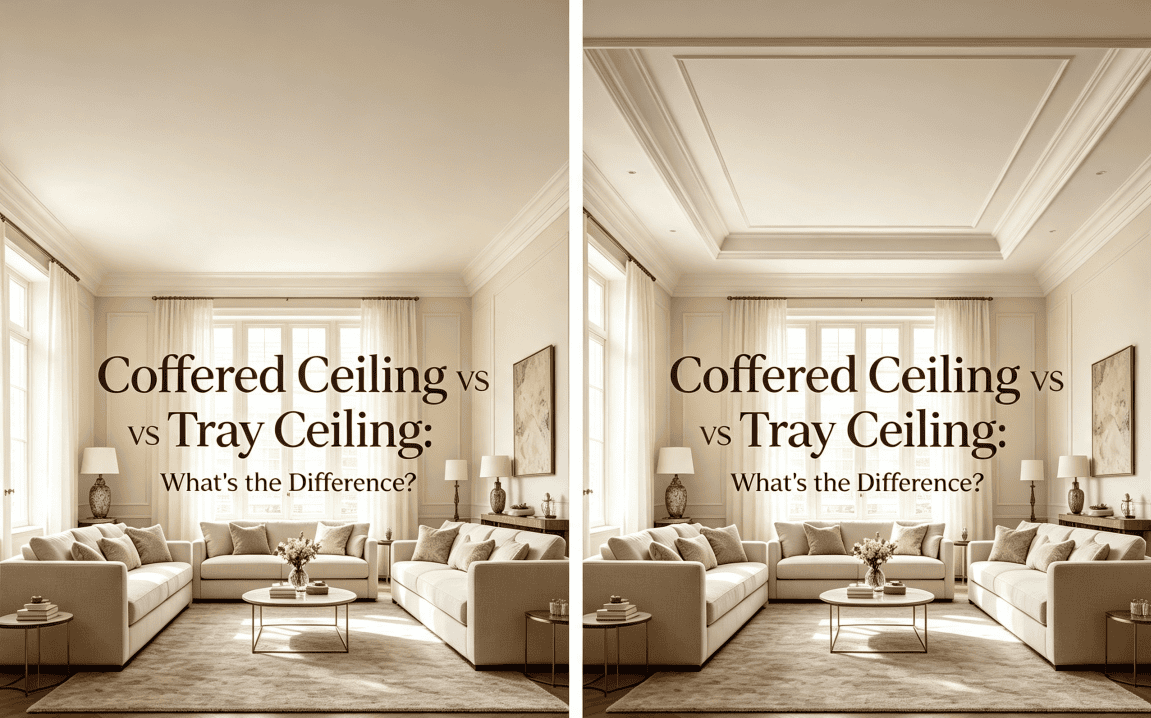
A coffered ceiling is a decorative ceiling design made with a grid pattern of recessed panels. The design creates a series of squares, rectangles, or geometric shapes that add depth and architectural character.
Traditional coffered ceilings were commonly found in historic buildings, libraries, and luxury homes. Today, designers use modern versions with LED lighting, painted panels, and minimalist finishes.
Common Coffered Ceiling Features
- Grid-like recessed panels
- Wood beams or decorative molding
- Strong architectural appearance
- Suitable for high ceilings
- Can include hidden lighting
What Is a Tray Ceiling?
A tray ceiling is a ceiling design where the center section is raised higher than the surrounding border. This creates a “tray” or stepped appearance.
Tray ceilings are popular in bedrooms because they add elegance while keeping the design simple. They can also make an average-height ceiling appear taller when combined with proper lighting.
Common Tray Ceiling Features
- Single recessed center area
- Smooth and modern appearance
- Works well with LED strip lighting
- Requires less construction than coffered ceilings
- Suitable for bedrooms and living rooms
Coffered Ceiling vs Tray Ceiling: Key Differences
| Feature | Coffered Ceiling | Tray Ceiling |
|---|---|---|
| Design Style | Luxury, classic, architectural | Modern, simple, elegant |
| Average Cost | $25–$60 per square foot | $10–$30 per square foot |
| Installation Difficulty | Complex installation | Moderate installation |
| Maintenance | More cleaning due to detailed structure | Easier maintenance |
| Best Room Type | Large living rooms, dining rooms, luxury spaces | Bedrooms, small living rooms, modern homes |
| Main Advantage | Creates a strong visual statement | Adds depth without overwhelming the room |
| Main Disadvantage | Higher cost and requires more ceiling height | Less dramatic compared with coffered ceilings |
Design Comparison: Which Ceiling Looks Better?
Coffered Ceiling Appearance
Coffered ceilings create a powerful first impression. The geometric pattern draws attention upward and makes a room feel custom-designed.
They are especially effective in large spaces such as:
- Open-concept living rooms
- Formal dining rooms
- Home offices
- Luxury master suites
For example, in a large living room with 10-foot ceilings, a coffered ceiling can make the space feel more balanced instead of empty.
Tray Ceiling Appearance
Tray ceilings provide a softer and more relaxing visual effect. They are commonly used in bedrooms because they create a comfortable atmosphere without becoming the main focus.
A popular modern approach is adding LED strip lighting around the recessed edge. This creates indirect lighting that makes the ceiling appear higher.
Installation and Cost Comparison
| Factor | Coffered Ceiling | Tray Ceiling |
|---|---|---|
| Material Cost | Higher because of beams and panels | Lower with drywall construction |
| Labor Cost | Higher due to detailed craftsmanship | More affordable |
| Installation Time | Several days to weeks depending on size | Usually faster |
| DIY Possibility | Difficult for beginners | Possible with advanced DIY skills |
Which Ceiling Design Is Better for Different Rooms?
| Room Type | Recommended Ceiling | Reason |
|---|---|---|
| Small Bedroom | Tray Ceiling | Makes the room feel taller and more comfortable |
| Large Master Bedroom | Tray or simple coffered ceiling | Adds luxury without reducing comfort |
| Dining Room | Coffered Ceiling | Creates an elegant entertaining space |
| Modern Living Room | Minimal Tray Ceiling | Matches clean interior styles |
| Traditional Home | Coffered Ceiling | Matches classic architectural details |
Real Renovation Experience: Common Mistakes Homeowners Make
One common mistake is installing a coffered ceiling in a room with insufficient ceiling height.
A coffered ceiling usually works best with ceilings around 9 feet or higher. In lower rooms, the additional beams can make the space feel compressed.
For an 8-foot bedroom ceiling, I usually recommend a shallow tray ceiling with recessed LED lighting. It creates depth without sacrificing the feeling of space.
Lighting Ideas for Coffered and Tray Ceilings
Lighting plays a major role in how these ceiling designs look.
- Coffered ceiling: Use recessed spotlights or decorative pendant lights to highlight the grid structure.
- Tray ceiling: Use hidden LED strips around the recessed edge for a soft modern effect.
- Bedroom applications: Warm white lighting creates a more relaxing atmosphere.
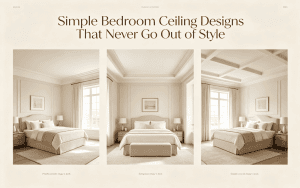
Related Bedroom Ceiling Design Guides
Frequently Asked Questions About Coffered and Tray Ceilings
1. Is a coffered ceiling more expensive than a tray ceiling?
Yes. Coffered ceilings usually cost more because they require more materials, detailed framing, and skilled installation.
2. Which ceiling design is better for a bedroom?
For most bedrooms, a tray ceiling is the better choice because it creates a relaxing atmosphere while making the room feel more spacious.
3. Can you install a coffered ceiling in a small room?
Yes, but the design should be simplified. Large decorative beams may make a small room feel crowded.
4. Do tray ceilings increase home value?
A well-designed tray ceiling can improve interior appeal and make a home feel more customized, especially in master bedrooms and living areas.
5. Can LED lights be added to both ceiling designs?
Yes. Both coffered and tray ceilings work well with LED lighting. Tray ceilings are especially popular for hidden indirect lighting.
Conclusion: Choosing Between a Coffered Ceiling and Tray Ceiling
Both coffered ceilings and tray ceilings can transform an ordinary room into a more stylish and comfortable space. The right choice depends on your home’s architecture, ceiling height, budget, and design goals.
Choose a coffered ceiling if you want a dramatic luxury appearance and have enough ceiling height. Choose a tray ceiling if you prefer a modern, simple, and cost-effective upgrade.
For most bedrooms and average-sized homes, a well-designed tray ceiling with proper lighting offers the best balance between beauty, comfort, and practicality.