Bathroom leaks are one of the most frustrating problems homeowners face. The worst part is that many people assume fixing a leak automatically means ripping out tiles, tearing down walls, and spending thousands on a full renovation. Fortunately, that’s not always true.
In many modern bathrooms, certain types of leaks can actually be repaired without removing existing tiles — especially when the problem is caught early. Over the years, I’ve seen homeowners save significant money simply by identifying the real source of the leak instead of immediately demolishing the entire bathroom.
The key is understanding which leaks can be repaired non-destructively and which situations still require full waterproofing replacement.
This guide explains practical bathroom leak repair methods that work without tile removal, how to diagnose the problem properly, and when temporary repairs are no longer enough.
Quick Answer: Can Bathroom Leaks Be Fixed Without Removing Tiles?
Yes — some bathroom leaks can be repaired without removing tiles if the leak comes from:
- Cracked grout lines
- Failed silicone joints
- Minor waterproofing gaps
- Pipe penetrations
- Drain sealing issues
- Surface-level water intrusion
However, severe waterproof membrane failure or major structural damage usually requires removing tiles and rebuilding affected areas.
How Bathroom Leaks Usually Start
Most bathroom leaks begin slowly. Water penetrates tiny gaps over time and gradually damages the materials underneath.
Common leak sources include:
- Shower corners
- Floor-to-wall joints
- Loose grout
- Cracked silicone
- Poor drain sealing
- Pipe penetrations
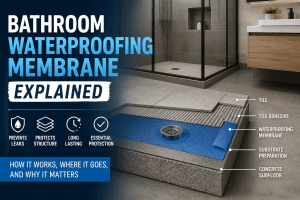
- Failed waterproof membranes
One important thing many homeowners misunderstand is that tiles themselves are not fully waterproof. Water slowly passes through grout lines over time.
Signs You May Have a Hidden Bathroom Leak
- Musty smells
- Mold growth
- Peeling paint nearby
- Loose tiles
- Water stains downstairs
- Damp bathroom floors
- Swollen cabinets or skirting boards
Early detection is critical because small leaks are much easier to repair without demolition.
When Tile Removal Is NOT Necessary
In many cases, leaks can be repaired externally if the waterproofing failure is still localized.
1. Failed Silicone Joints
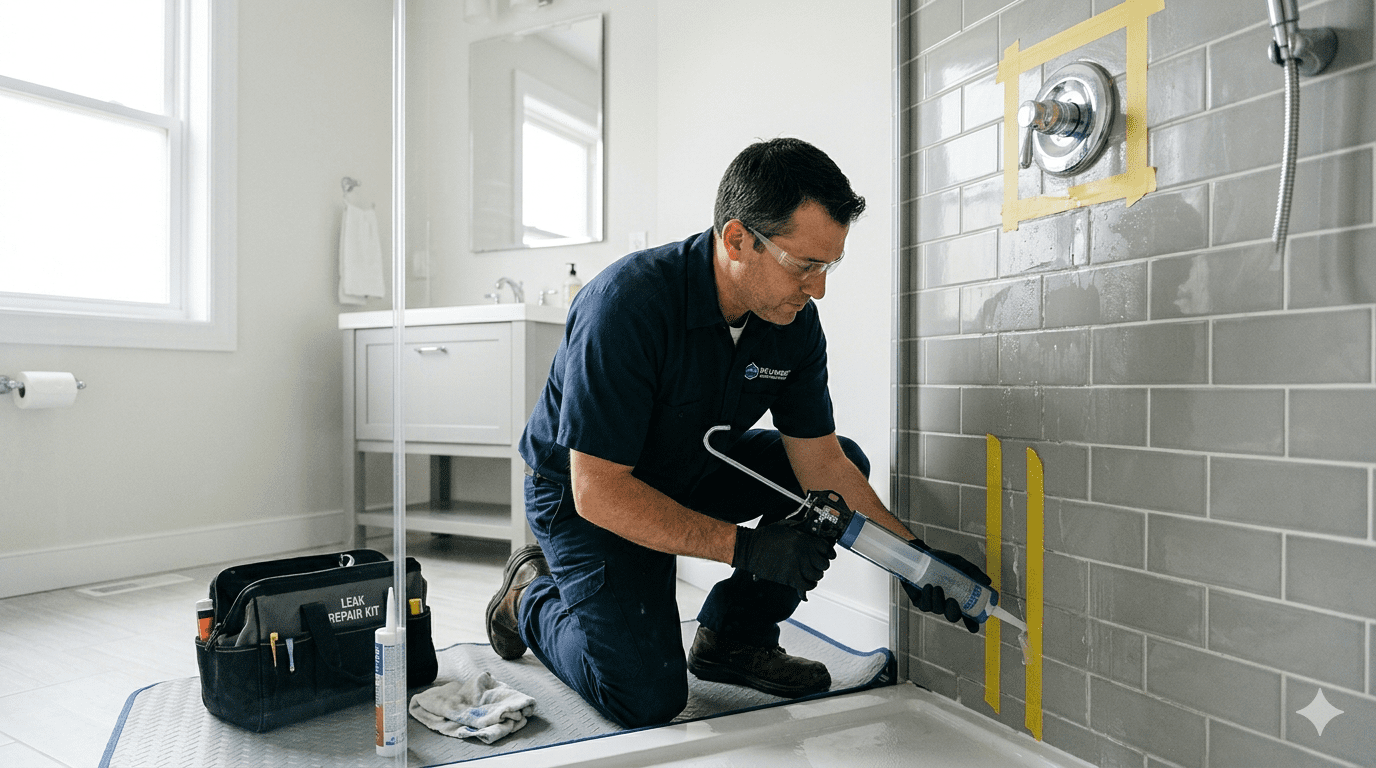
Old silicone sealant around showers, bathtubs, and sinks often cracks over time.
This is one of the easiest leaks to repair without removing tiles.
Repair Process
- Remove old silicone completely
- Clean and dry the surface
- Apply high-quality bathroom silicone
- Allow full curing time
In my experience, poor silicone maintenance causes a surprisingly large percentage of bathroom leaks.
2. Cracked or Missing Grout
Grout deterioration allows water to seep beneath tiles.
If the waterproof membrane underneath is still intact, regrouting can often solve the problem.
Repair Process
- Remove damaged grout
- Clean joints thoroughly
- Apply fresh waterproof grout
- Seal grout if required
3. Drain Connection Leaks
Leaks around floor drains are extremely common.
Sometimes the drain flange seal weakens while the surrounding waterproofing remains intact.
Specialized waterproof sealants can often repair these areas without removing tiles.
4. Pipe Penetration Leaks
Water pipes entering walls are another frequent leak source.
Minor gaps around penetrations can usually be sealed externally using waterproof sealants.
Leak Repair Methods Without Removing Tiles
Method 1: Clear Penetrating Waterproof Sealers
These products soak into grout lines and create a water-resistant barrier.
Best For
- Minor shower leaks
- Porous grout
- Early-stage moisture problems
Advantages
- No tile removal
- Fast application
- Affordable
Limitations
- Not suitable for major waterproofing failure
- Temporary solution in some cases
Method 2: Epoxy Grout Repair
Epoxy grout offers much stronger water resistance than traditional cement grout.
It works especially well in:
- Shower floors
- Wet zones
- Older tiled bathrooms
Method 3: Injection Waterproofing
Professional contractors sometimes use waterproof resin injection systems.
The resin penetrates cracks beneath tiles and seals moisture pathways internally.
Best For
- Concrete bathrooms
- Apartment leaks
- Localized waterproofing gaps
Method 4: Surface Membrane Coatings
Some transparent waterproof coatings can be applied directly over tiles and grout.
These systems temporarily improve water resistance while preserving the bathroom appearance.
Bathroom Leak Repair Comparison Table
| Repair Method | Cost | Installation Difficulty | Maintenance | Advantages | Disadvantages |
|---|---|---|---|---|---|
| Silicone Replacement | Low | Easy | Low | Fast and inexpensive | Only fixes surface leaks |
| Regrouting | Low-Medium | Moderate | Low | Improves waterproofing | Labor intensive |
| Penetrating Sealers | Low | Easy | Medium | No demolition required | May require reapplication |
| Injection Waterproofing | Medium-High | Professional | Low | Targets hidden leaks | Higher cost |
| Surface Waterproof Coatings | Medium | Moderate | Medium | Preserves existing tiles | Not permanent in severe cases |
Real Bathroom Leak Repair Scenarios
Apartment Bathroom Leak
One apartment owner contacted me after their downstairs neighbor noticed ceiling stains.
After inspection, the issue turned out to be cracked silicone around the shower base — not total waterproofing failure.
The leak was repaired without removing a single tile.
Old Bathroom with Grout Failure
In another case, years of neglected grout maintenance caused moisture penetration under the shower floor.
Fortunately, the waterproof membrane underneath was still intact, so epoxy regrouting solved the issue.
Luxury Marble Bathroom
Luxury stone bathrooms are especially sensitive because full demolition becomes extremely expensive.
Localized waterproof injection systems can sometimes prevent major reconstruction costs.
When You MUST Remove Tiles
Non-destructive repair methods have limits.
You’ll likely need full tile removal if:
- The waterproof membrane has failed extensively
- Subfloor rot exists
- Mold spreads behind walls
- Tiles are loose across large areas
- Structural damage appears
- Water leaks continue despite repairs
Professional Experience: The Biggest Leak Repair Mistake
The most common mistake homeowners make is repeatedly sealing visible areas without properly identifying the actual leak source.
I’ve seen bathrooms where people applied silicone multiple times while the real problem was hidden beneath the drain assembly.
Leak diagnosis is far more important than blindly applying repair products.
Best Leak Repair Solution Based on Your Situation
- Minor grout cracks: Regrouting and sealing
- Shower corner leaks: Silicone replacement
- Apartment leak issues: Professional leak detection and injection systems
- Older bathrooms: Waterproof coating or partial renovation
- Luxury bathrooms: Non-destructive waterproof repair first before demolition
How to Prevent Bathroom Leaks in the Future
- Inspect grout yearly
- Replace aging silicone promptly
- Keep bathroom ventilation strong
- Repair cracks immediately
- Avoid standing water buildup
- Use high-quality waterproof materials
Frequently Asked Questions
1. Can shower leaks really be fixed without removing tiles?
Yes, many localized leaks can be repaired without demolition if caught early.
2. How long do non-destructive leak repairs last?
Proper repairs can last many years, depending on the severity of the original issue.
3. Are waterproof sealers permanent?
Some are temporary maintenance solutions, while professional systems can provide long-term protection.
4. Is regrouting enough to stop leaks?
If the waterproof membrane underneath is still intact, regrouting can often solve minor leaks.
5. How do professionals detect hidden bathroom leaks?
They may use moisture meters, thermal imaging, flood testing, and pressure testing methods.
Related Articles
- 2026 Bathroom Waterproofing Guide
- How to Waterproof a Bathroom Floor Properly
- Bathroom Waterproofing Membrane Explained
- 7 Signs Your Bathroom Waterproofing Has Failed
- Most Common Bathroom Waterproofing Mistakes
External reference: EPA Mold and Moisture Guide
Conclusion
Bathroom leak repair without removing tiles is absolutely possible in many situations — especially when the problem is diagnosed early and repaired properly. Cracked grout, failed silicone, drain gaps, and localized waterproofing issues can often be solved without expensive demolition.
However, successful repair depends on identifying the true source of the leak rather than simply covering visible symptoms. For severe waterproofing failure or structural damage, full renovation may still be necessary.
Understanding the difference between surface-level leaks and deeper waterproofing problems can help homeowners save substantial money while protecting their bathroom for the long term.