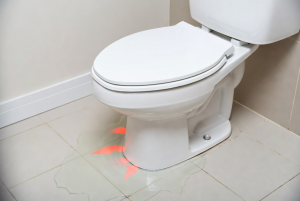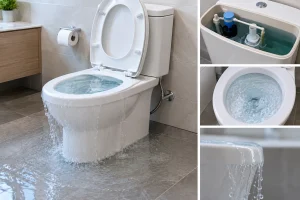
Have you ever flushed your toilet and noticed that the water level keeps dropping afterward? Sometimes the bowl slowly loses water, the toilet makes unusual sounds, or you need to flush multiple times because the water level does not stay normal.
A toilet that keeps losing water after flushing is usually caused by a problem with the toilet tank, flush valve, fill valve, or drainage system. Although it may seem like a small issue, ignoring it can lead to constant water waste, higher utility bills, and reduced flushing performance.
From real home maintenance experience, most toilet water loss problems can be solved without replacing the entire toilet. The key is identifying whether the water is escaping from the tank, bowl, or internal plumbing components.
Quick Conclusion: Why Does a Toilet Lose Water After Flushing?
The most common reasons your toilet keeps losing water after flushing include:
- Damaged flush valve flapper: Water leaks from the tank into the bowl continuously.
- Faulty fill valve: The tank cannot refill properly after flushing.
- Cracked toilet tank or bowl: Water escapes through physical damage.
- Incorrect water level adjustment: The tank does not hold enough water.
- Drainage or trapway issues: Water leaves the bowl too quickly.
In most cases, replacing a worn flapper or adjusting the fill valve can solve the problem at a low cost.
How to Identify Where Your Toilet Is Losing Water
Before repairing your toilet, determine where the water is disappearing. This will help you avoid replacing unnecessary parts.
| Problem Area | Common Signs | Possible Cause |
|---|---|---|
| Toilet Tank | Water level drops when unused | Damaged flapper or flush valve seal |
| Toilet Bowl | Bowl water level becomes low | Trapway or drainage problem |
| Fill Valve | Constant running sound | Faulty refill mechanism |
| Toilet Base | Water around floor area | Damaged wax ring or connection |
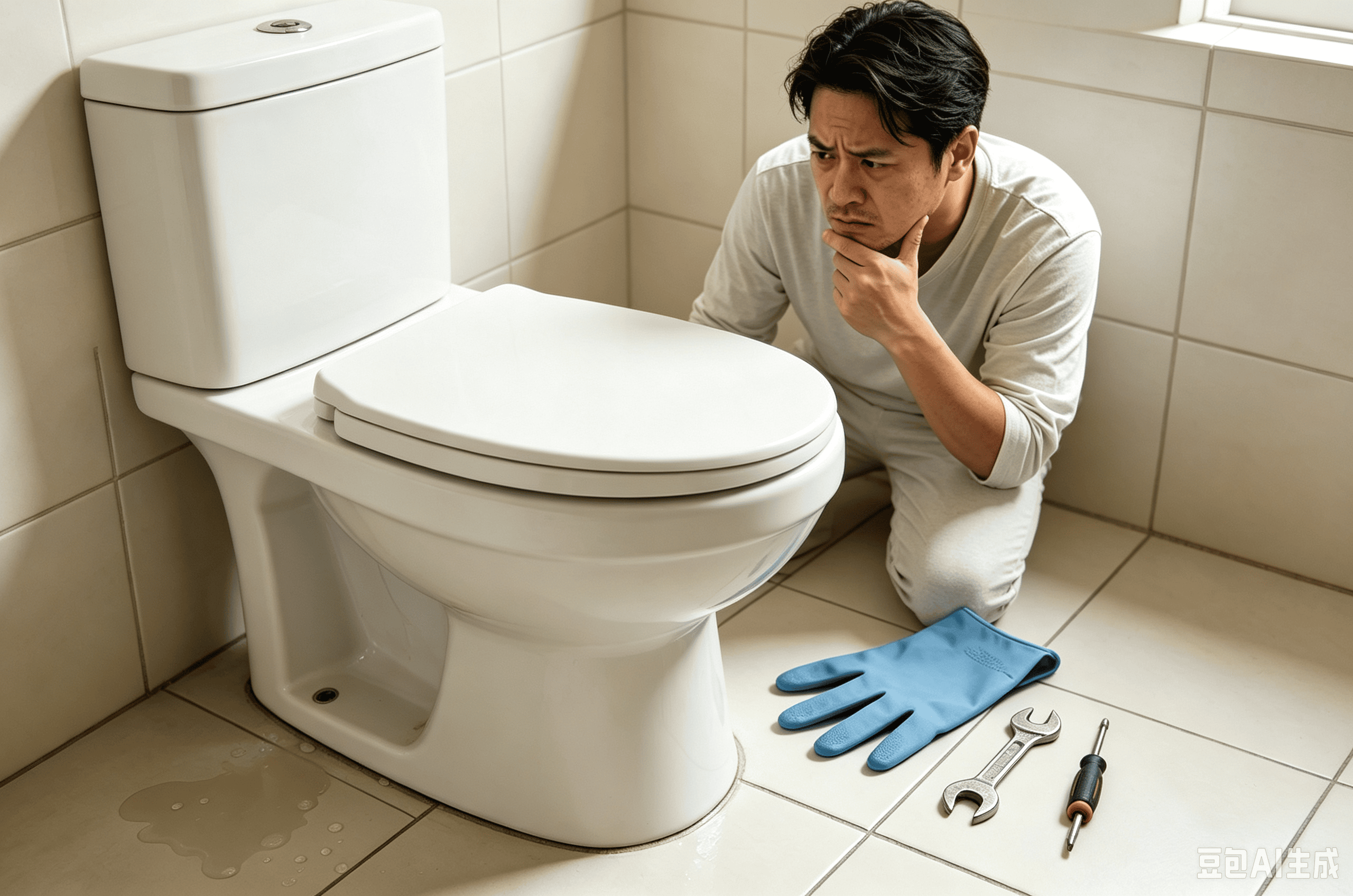
Common Reasons Why a Toilet Keeps Losing Water
1. A Worn-Out Toilet Flapper
The toilet flapper is one of the most common causes of water loss after flushing. This rubber component controls the water flow from the tank into the bowl.
Over time, the flapper can become:
- Hard and less flexible
- Cracked or damaged
- Covered with mineral buildup
- Unable to create a proper seal
When the flapper does not seal completely, water slowly leaks from the tank into the bowl. The fill valve then keeps adding water, creating a continuous cycle.
2. Faulty Fill Valve Cannot Maintain Water Level
The fill valve controls how much water enters the tank after flushing. If it becomes damaged, the tank may refill slowly or stop before reaching the correct level.
Common signs include:
- Weak flushing performance
- Long refill times
- Continuous water sounds
- Tank water level below the recommended line
3. Incorrect Toilet Tank Water Level
Sometimes the toilet is not damaged. The water level may simply be adjusted incorrectly.
If the water level is too low:
- The flush may become weaker.
- The bowl may not refill properly.
- Waste removal performance decreases.
Most toilet tanks have a marked water line showing the correct filling height.
4. Mineral Buildup Inside Toilet Components
Homes with hard water often experience toilet performance problems because minerals accumulate inside valves and seals.
Calcium deposits can prevent the flapper from closing correctly or restrict water flow through the fill valve.
Regular cleaning helps prevent mineral buildup and extends toilet component life.
How Much Does It Cost to Fix a Toilet Losing Water?
| Repair Type | Average Cost | Difficulty | Expected Result |
|---|---|---|---|
| Adjust water level | $0 | Easy | Restore correct tank filling |
| Replace toilet flapper | $5–$20 | Easy | Stop internal water leakage |
| Replace fill valve | $15–$60 | Medium | Improve refill performance |
| Replace flush valve | $50–$150 | Medium | Repair major tank leaks |
How to Fix a Toilet That Keeps Losing Water Step by Step
Step 1: Check for a Hidden Tank Leak
Remove the toilet tank lid and observe the water level. If the water level slowly decreases while nobody uses the toilet, the flush valve is likely leaking.
Step 2: Test the Flapper Seal
Add a few drops of food coloring into the toilet tank and wait about 15–30 minutes without flushing.
If colored water appears in the bowl, the flapper is not sealing properly and needs replacement.
Step 3: Inspect the Fill Valve
Check whether the fill valve continues running after the tank is full.
If water keeps flowing into the overflow tube, adjust or replace the fill valve.
Step 4: Adjust the Water Level
Most modern toilets allow water level adjustment through the float mechanism.
- Raise the float slightly if water level is too low.
- Lower the float if water is overflowing.
- Confirm the final water level matches the tank marking.
Real Home Experience: Repair or Replace the Toilet?
Many homeowners replace toilets too quickly when they notice water loss. In reality, most problems come from inexpensive internal components.
| Situation | Recommended Solution |
|---|---|
| Toilet less than 10 years old | Repair internal parts |
| Only flapper or valve problem | Replace damaged components |
| Cracked porcelain | Replace toilet |
| Frequent repairs and poor flushing | Consider upgrading |
For example, a homeowner with a modern toilet may spend less than $20 replacing a flapper instead of several hundred dollars replacing the entire fixture.
How to Prevent Toilet Water Loss Problems
- Check toilet components every few months.
- Clean mineral deposits from valves and seals.
- Avoid flushing unsuitable items.
- Replace worn rubber parts before they fail completely.
- Keep the correct water level inside the tank.
Related Toilet Maintenance Guides
Frequently Asked Questions About Toilet Water Loss
1. Why does my toilet bowl water level keep dropping?
A dropping bowl water level may be caused by a drainage issue, trapway problem, or poor refill performance after flushing.
2. How do I know if my toilet flapper is leaking?
The food coloring test is a simple method. If colored water appears in the bowl without flushing, the flapper is leaking.
3. Can a toilet losing water increase my water bill?
Yes. A continuously leaking toilet can waste hundreds of gallons of water over time, increasing monthly water costs.
4. How often should toilet parts be replaced?
The lifespan depends on water quality and usage, but rubber components such as flappers often need replacement every few years.
5. Should I repair or replace an old toilet?
If the toilet has only minor internal problems, repair is usually better. Replacement is recommended when the porcelain is damaged or performance remains poor.
Conclusion: Fix Your Toilet Water Loss Problem Before It Gets Worse
A toilet that keeps losing water after flushing is usually caused by a small internal problem rather than a major failure. Checking the flapper, fill valve, and water level can help identify the issue quickly.
Regular maintenance and timely replacement of worn components can improve flushing performance, reduce water waste, and extend your toilet’s lifespan.
By understanding how your toilet system works, you can solve common problems faster and avoid unnecessary repair costs.