Introduction
A washdown toilet is known for its simple structure, fast flushing, and relatively low maintenance compared to more complex flushing systems. But “low maintenance” does not mean “no maintenance.”
In real-world use, most performance issues—weak flushing, odor, staining, and occasional clogging—come from neglected cleaning routines or improper usage habits rather than product defects.
This guide breaks down practical, experience-based maintenance methods to keep a washdown toilet clean, hygienic, and performing at its best over the long term. For a deeper understanding of how washdown systems differ from siphonic designs, you can also refer to
Siphonic vs Washdown Toilets: Key Differences, Pros, Cons & Best Choice (2026).
Quick Conclusion
Maintaining a washdown toilet properly comes down to three core principles: regular gentle cleaning, preventing foreign materials from entering the bowl, and periodic inspection of flushing components. Follow these consistently and most common toilet issues can be avoided entirely.
✨ High-Efficiency Cleaning: Prevent Yellow Stains and Odor
The correct cleaning sequence matters. Always start from the inside bowl before moving outward to avoid spreading bacteria.
- Weekly cleaning: Use a neutral cleaner or diluted white vinegar to wipe both interior and exterior surfaces. Pay attention to the underside of the seat and base edges where bacteria accumulate.
- Stubborn stains: A combination of baking soda and vinegar works effectively. Spray vinegar first, let it sit, then add baking soda and scrub gently with a soft brush. For severe mineral buildup, diluted oxalic acid can be used carefully.
- Hard no: Avoid steel wool or abrasive pads. They permanently damage the glaze, making future staining worse.
In many households, skipping weekly cleaning leads to visible yellowing within 2–3 weeks, especially in areas with hard water.
🚽 Prevent Clogs and Maintain Strong Flush Performance
Washdown toilets are simple, but they are not designed to handle improper waste disposal.
- Main clog causes: wet wipes, sanitary products, excessive toilet paper, and food waste.
- Early warning sign: slower drainage or incomplete flush cycles usually indicate partial blockage.
- Best practice: only flush human waste and reasonable amounts of toilet paper.
If flushing strength decreases, the issue is often mineral buildup in the rim jets (spray holes). Cleaning them can restore performance by up to 30–50% in typical residential cases.
🛠️ Restore Weak Flush Power (Practical Fix)
One of the most overlooked maintenance tasks is cleaning the rim jet outlets inside the bowl.
- Turn off the water supply
- Drain the tank
- Use a soft brush or cotton swab to remove mineral deposits from jet holes
This simple step often resolves weak flushing without requiring any replacement parts.
💡 Solve Water Splashing Issues
Some washdown toilets may experience water splashing due to bowl water level or flush dynamics.
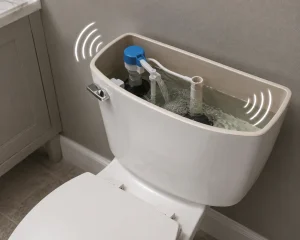
One effective adjustment is controlling the refill tube inside the tank. If it is correctly positioned, water flow becomes smoother and reduces turbulence inside the bowl.
For related flushing behavior differences, see also
Siphonic vs Washdown Toilets in the United States.
🧼 Build Good Habits for Long-Term Maintenance
- Flush immediately: Prevent stains from setting in by cleaning right after use.
- Clean the toilet brush: Rinse and disinfect after every use. A dirty brush often spreads bacteria back into the bowl.
- Avoid tank tablets: Many chemical cleaners degrade rubber seals and internal valves over time.
According to general plumbing maintenance recommendations referenced by EPA WaterSense, routine preventive care significantly extends fixture lifespan and reduces water inefficiency.
📊 Washdown Toilet Maintenance Overview
| Maintenance Area | Frequency | Difficulty | Impact |
|---|---|---|---|
| Bowl cleaning | Weekly | Easy | High hygiene improvement |
| Jet hole cleaning | Monthly | Medium | Restores flush strength |
| Tank inspection | Every 3–6 months | Easy | Prevents leaks |
| Deep descaling | Every 6 months | Medium | Improves long-term flow |
Real-World Usage Scenarios
In apartments with hard water, mineral buildup tends to occur faster, often requiring jet cleaning every 3–4 weeks instead of monthly. In contrast, homes with filtered water systems may only need quarterly maintenance.
In shared bathrooms (e.g., families with children), clogging risk increases significantly due to improper flushing habits, making habit control more important than mechanical maintenance.
⚖️ Pros and Cons of Washdown Toilet Maintenance
| Aspect | Pros | Cons |
|---|---|---|
| Cleaning | Simple and fast | Requires frequent surface wiping |
| Structure | Few moving parts | Less forgiving to misuse |
| Maintenance cost | Low overall | Mineral buildup can affect performance |
| Durability | Long lifespan with care | Depends heavily on water quality |
FAQ
How often should I clean a washdown toilet?
At least once a week for surface cleaning, with deeper descaling every 3–6 months depending on water hardness.
Why does my washdown toilet stain so quickly?
Hard water minerals and infrequent cleaning are the most common causes.
Can I use bleach every day?
Not recommended. Overuse can damage rubber seals and reduce component lifespan.
What causes weak flushing?
Most often, blocked rim jets or low tank water levels.
Do washdown toilets need professional maintenance?
Generally no. Most maintenance tasks can be done with basic household tools.
Conclusion
A washdown toilet is one of the simplest bathroom fixtures to maintain, but its performance depends heavily on consistent care. Regular cleaning, careful usage habits, and occasional jet hole maintenance are enough to keep it operating efficiently for years.
With a structured routine and proper awareness of common issues, most problems—staining, clogging, and weak flushing—can be prevented rather than repaired.