Introduction
A siphonic toilet relies on a consistent and properly regulated water level in the tank to generate strong flushing performance. At the center of this system is the fill valve, a small but critical component responsible for refilling the tank after every flush.
When the fill valve starts to fail, homeowners often notice slow tank refills, constant running water, weak flushes, or unexpected water waste. While these symptoms may seem alarming, replacing a siphonic toilet fill valve is a straightforward maintenance task that most homeowners can complete without professional help.
In this guide, we’ll break down the full replacement process, explain when and why you should replace the fill valve, and provide real-world insights based on common household plumbing experiences.
If you’re comparing toilet flushing systems and long-term maintenance requirements, our Siphonic vs Washdown Toilets: Which One Is Better for Your Bathroom? guide explains how different designs affect internal component wear and servicing needs.
Quick Answer
To replace a siphonic toilet fill valve, shut off the water supply, drain the tank, remove the old valve, install the new one, adjust the float height, and test the flush. The entire process typically takes 20–40 minutes and costs between $15 and $50 for parts if done DIY.
Why the Fill Valve Matters in a Siphonic Toilet
The fill valve controls how much water enters the toilet tank after each flush. In a siphonic system, water volume and refill consistency directly affect the strength of the siphon effect.
A faulty fill valve can lead to:
- Weak or incomplete flushing
- Continuous running water
- Inconsistent tank water levels
- Increased water bills
- Long refill times
Even small deviations in water level can reduce flushing efficiency significantly.
For a deeper understanding of how water flow influences performance, see our guide on How Does a Siphonic Toilet Create Strong Suction?.
Tools and Materials You’ll Need
| Item | Estimated Cost | Purpose |
|---|---|---|
| Replacement Fill Valve | $15–$40 | Main component replacement |
| Adjustable Wrench | $10–$25 | Disconnect water supply line |
| Sponge or towel | $2–$5 | Remove remaining water |
| Bucket | $3–$10 | Catch residual tank water |
| Plumber’s tape | $2–$5 | Seal water connections |
Step-by-Step: How to Replace a Fill Valve
Step 1: Shut Off the Water Supply
Locate the shut-off valve near the toilet base and turn it clockwise until the water stops flowing.
Step 2: Drain the Tank
Flush the toilet and hold the handle down to remove most of the water. Use a sponge or towel to remove remaining water from the tank.
Step 3: Disconnect the Old Fill Valve
Unscrew the water supply line and remove the lock nut securing the fill valve beneath the tank.
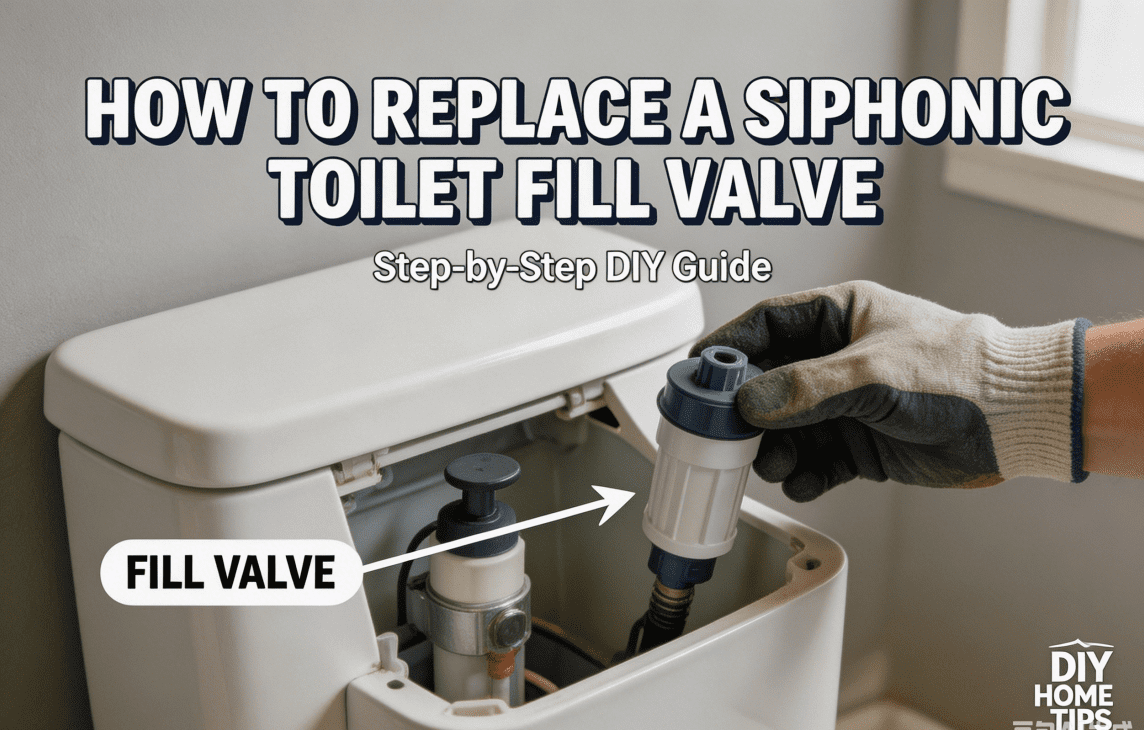
Step 4: Install the New Fill Valve
Insert the new valve into the tank opening and tighten the lock nut securely. Reconnect the water supply line.
Step 5: Adjust Water Level
Set the float height according to manufacturer instructions. Proper adjustment is essential for siphonic flushing performance.
Step 6: Test the System
Turn the water back on and allow the tank to fill. Perform several test flushes to confirm proper operation.
Real-World Scenario: When a Fill Valve Fails at the Worst Time
Many homeowners only realize the importance of the fill valve when it fails unexpectedly. A common situation occurs after installation of a new toilet or renovation project, where everything seems fine at first.
One typical case involves inconsistent flushing shortly after installation—similar to what many users experience with modern bathroom fixtures. In some households, poor-quality components or incorrect water level settings lead to weak flushes, noise issues, or excessive water consumption.
This is similar to situations where homeowners invest in expensive smart toilets but later discover issues such as unstable flushing performance, sensitivity to water pressure, or unexpected maintenance problems. These experiences highlight a key lesson: internal components matter more than marketing features or brand price.
For broader selection guidance on toilet systems and performance differences, see Best Siphonic Toilets in 2026.
Fill Valve Comparison Table
| Type | Price | Installation | Maintenance | Advantages | Disadvantages |
|---|---|---|---|---|---|
| Basic Float Valve | $10–$20 | Easy | Low | Cheap and simple | Noisy and less precise |
| Modern Float Cup Valve | $15–$35 | Easy | Low | Stable water control | Requires correct adjustment |
| Pressure-Assist Valve | $30–$60 | Moderate | Medium | Strong refill performance | Higher cost |
When Should You Replace a Fill Valve?
You should consider replacement if you notice:
- Water running continuously inside the tank
- Tank takes too long to refill
- Fluctuating water levels
- Inconsistent flush strength
- Audible hissing or vibration
In most cases, fill valves last between 5–8 years depending on water quality and usage frequency.
Pros and Cons of DIY Replacement
| Pros | Cons |
|---|---|
| Low cost compared to plumber service | Requires basic tools and patience |
| Quick repair (under 1 hour) | Incorrect installation can cause leaks |
| Improves water efficiency immediately | Older toilets may require compatibility checks |
| Extends toilet lifespan | Hard water may still affect performance |
Expert Recommendations
From a practical plumbing perspective, fill valve replacement should always be paired with water level calibration. Many flush performance complaints are not caused by the valve itself, but by incorrect adjustment after installation.
- Always match replacement valve type to tank design
- Check water level after every installation
- Inspect flapper condition during replacement
- Replace fill valve if water waste is detected
- Consider upgrading if older than 7 years
For a broader understanding of maintenance behavior across different toilet types, refer to Siphonic Toilet Maintenance Checklist for Homeowners.
According to the EPA WaterSense program, replacing inefficient toilet components can significantly reduce household water consumption over time.
Frequently Asked Questions
How long does a fill valve last?
Most fill valves last between 5 and 8 years depending on water quality and usage frequency.
Can I replace a fill valve without turning off the water?
No. Always shut off the water supply before starting the replacement process to avoid leaks and flooding.
Why is my toilet still running after replacing the fill valve?
This is often caused by an incorrectly set water level or a worn flapper, not the fill valve itself.
Do all fill valves fit every toilet?
No. Compatibility depends on tank size, inlet design, and toilet model specifications.
Is it worth upgrading to a better fill valve?
Yes. Modern fill valves provide more stable water control, quieter operation, and better long-term efficiency.
Conclusion
Replacing a siphonic toilet fill valve is one of the most practical and cost-effective maintenance tasks homeowners can perform. With minimal tools and a basic understanding of the system, most users can restore proper flushing performance within an hour.
By ensuring correct installation and proper water level calibration, you not only fix immediate issues but also improve long-term toilet efficiency and reduce unnecessary water waste.