Introduction
A siphonic toilet is designed to provide strong flushing performance, effective odor control, and a quieter bathroom experience. While these advantages make siphonic toilets popular in many homes across the United States and Canada, maintaining that performance requires regular care.
The good news is that most maintenance tasks are simple, inexpensive, and can be completed by homeowners without professional assistance. A few minutes of preventive maintenance every month can help reduce the risk of clogs, prevent water waste, and extend the life of your toilet.
Whether your toilet is brand new or has been in service for years, following a structured maintenance checklist can help ensure consistent flushing performance and avoid costly repairs. If you’re comparing different flushing systems, our Siphonic vs Washdown Toilets: Which One Is Better for Your Bathroom? guide explains how maintenance requirements differ between modern toilet designs.
Quick Answer
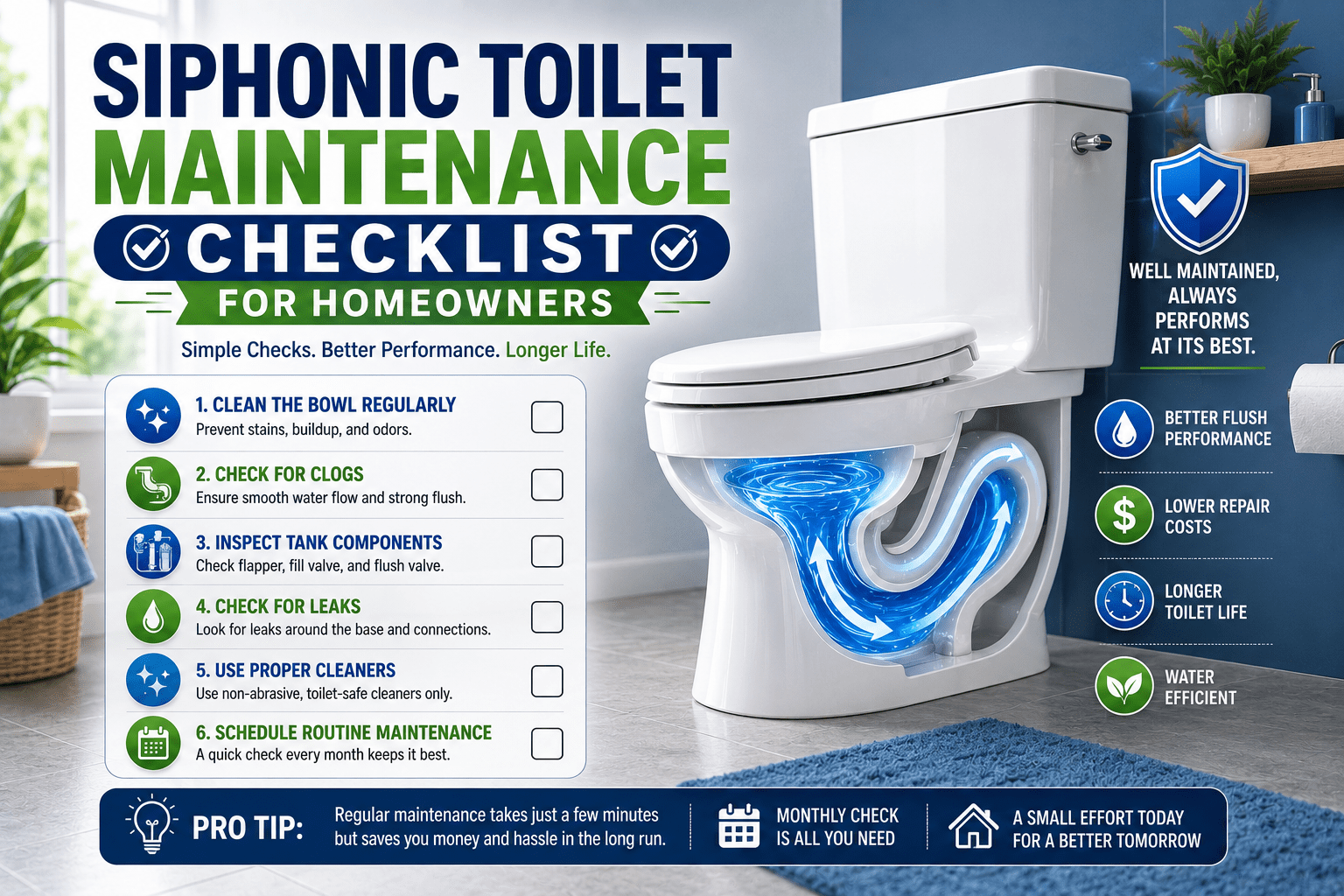
The best way to maintain a siphonic toilet is to follow a simple routine that includes weekly cleaning, monthly inspections, quarterly deep cleaning, and annual component checks. Regular maintenance helps preserve flushing power, improve hygiene, reduce repair costs, and extend the toilet’s lifespan.
The Complete Siphonic Toilet Maintenance Checklist
| Maintenance Task | Estimated Cost | Installation Difficulty | Maintenance Frequency | Advantages | Disadvantages |
|---|---|---|---|---|---|
| Clean Bowl Surface | $5-$15/year | Easy | Weekly | Improves hygiene and appearance | Requires consistency |
| Inspect Water Level | $0 | Easy | Monthly | Maintains flush performance | Often overlooked |
| Clean Rim Jets | $0-$10 | Easy | Every 3 Months | Preserves flushing power | Requires inspection |
| Check Flapper Condition | $5-$20 | Easy DIY | Every 6 Months | Prevents leaks | Rubber eventually wears out |
| Inspect Fill Valve | $15-$40 | Moderate DIY | Annually | Improves refill performance | May need adjustment |
| Professional Inspection | $100-$250 | Professional | As Needed | Identifies hidden problems | Additional expense |
Weekly Maintenance Tasks
The simplest maintenance task is also one of the most important. Cleaning the bowl every week helps prevent stains, bacteria growth, and mineral accumulation.
Focus on:
- Cleaning the bowl surface
- Scrubbing beneath the rim
- Removing visible hard water deposits
- Checking for unusual stains or discoloration
Many homeowners clean only the visible portions of the bowl. However, buildup beneath the rim can eventually restrict water flow and affect flushing performance.
Monthly Maintenance Tasks
Once a month, take a few minutes to inspect how the toilet is functioning.
- Observe flush strength
- Check bowl refill speed
- Listen for running water
- Inspect the water level inside the tank
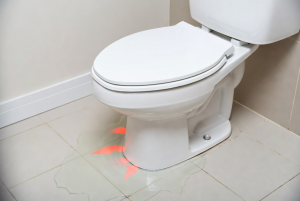
- Look for signs of leaks around the base
If the toilet begins flushing more slowly than normal, it may indicate an early maintenance issue rather than a major repair problem.
Homeowners who understand how siphonic flushing works are often better equipped to identify performance changes. Our article on How Does a Siphonic Toilet Create Strong Suction? explains the mechanics behind efficient flushing.
Quarterly Maintenance Tasks
Every three months, perform a deeper inspection.
Pay particular attention to the rim jets located beneath the bowl rim. These openings direct water into the bowl and help initiate the siphon action.
Mineral deposits can gradually reduce water flow through these jets, especially in homes with hard water.
- Use a flashlight to inspect rim openings
- Remove deposits with a small brush
- Apply white vinegar to dissolve mineral buildup
- Flush several times after cleaning
According to the EPA WaterSense program, maintaining plumbing fixtures properly can help preserve water efficiency and long-term performance.
Annual Maintenance Tasks
At least once per year, remove the tank lid and inspect internal components.
Check:
- Flapper condition
- Fill valve operation
- Chain tension
- Tank bolts
- Water level adjustment
- Signs of corrosion
A deteriorating flapper is one of the most common causes of silent leaks. In many cases, replacing a worn flapper costs less than $20 and takes less than 10 minutes.
Real-World Homeowner Scenario
Consider a family of four living in an area with moderately hard water. Their siphonic toilet worked perfectly for years before gradually developing weaker flushing performance.
Instead of replacing the toilet, they followed a maintenance checklist. They cleaned the rim jets, adjusted the water level, and replaced an aging flapper.
The total repair cost was under $30, and flushing performance returned to nearly the same level as when the toilet was new.
This situation is common. Many perceived toilet failures are actually maintenance issues that can be resolved quickly and affordably.
Maintenance Priorities Based on Household Usage
| Household Type | Recommended Maintenance Focus |
|---|---|
| Single Occupant | Standard monthly inspections |
| Family of 3-5 | Frequent rim jet cleaning and flapper checks |
| Large Household | Quarterly inspections and annual component replacement reviews |
| Hard Water Areas | Mineral deposit prevention and descaling |
| Rental Properties | Regular inspections and user education |
Pros and Cons of Following a Maintenance Checklist
| Pros | Cons |
|---|---|
| Maintains strong flushing performance | Requires regular attention |
| Reduces repair costs | Some homeowners forget inspections |
| Improves water efficiency | Hard water areas may need extra maintenance |
| Extends toilet lifespan | Minor replacement parts still wear out |
| Reduces clogging risk | Requires a maintenance routine |
Expert Recommendations
Based on long-term residential plumbing observations, homeowners should focus on prevention rather than repair.
- Clean the bowl weekly.
- Inspect flush performance monthly.
- Clean rim jets every three months.
- Replace worn flappers immediately.
- Address small leaks before they increase water bills.
For homeowners seeking maximum reliability, combining this checklist with guidance from How to Maintain a Siphonic Toilet for Long-Term Performance can create a comprehensive long-term maintenance strategy.
Frequently Asked Questions
How often should I inspect my siphonic toilet?
A quick inspection once per month is usually sufficient for most households. High-use bathrooms may benefit from more frequent checks.
What is the most important maintenance task?
Regular cleaning and monitoring of flush performance are the most important steps because they help identify problems early.
How do I know if my flapper needs replacement?
Signs include running water, inconsistent flushing, and unexplained increases in water consumption.
Can hard water affect a siphonic toilet?
Yes. Hard water can create mineral deposits that restrict rim jets and reduce flushing efficiency over time.
How long can a well-maintained siphonic toilet last?
Many high-quality siphonic toilets remain functional for 15 to 25 years when properly maintained and repaired as needed.
Conclusion
A structured maintenance checklist is one of the most effective ways to preserve the performance and lifespan of a siphonic toilet. By performing simple weekly, monthly, quarterly, and annual maintenance tasks, homeowners can reduce repair costs, improve flushing efficiency, and prevent many common toilet problems before they develop.
In most cases, a few minutes of preventive maintenance can save hundreds of dollars in future repairs while ensuring your siphonic toilet continues delivering the strong and reliable flushing performance it was designed to provide.