A bathroom faucet may seem like a small detail, but it plays a major role in your bathroom’s appearance, comfort, and daily functionality. Whether you’re renovating an outdated bathroom or replacing a worn-out faucet, choosing the right model can improve water efficiency, simplify maintenance, and complement your sink design.
Many homeowners focus only on appearance and price. However, after installing several faucets in my own home and helping friends renovate theirs, I’ve learned that compatibility, material quality, valve technology, and finish are far more important than the latest design trend.
This guide explains everything you should consider before purchasing a bathroom faucet so you can make an informed decision that will last for years.
Quick Answer
The best bathroom faucet is one that matches your sink configuration, uses a durable brass body with a ceramic disc valve, offers an easy-to-clean finish, and fits your household’s daily needs.
- Small bathrooms → Single-handle faucet
- Luxury bathrooms → Widespread faucet
- Budget renovation → Centerset faucet
- Family bathrooms → Matte black or brushed nickel finish
- Easy maintenance → Ceramic cartridge + brass construction
Why Choosing the Right Faucet Matters
Your faucet is one of the most frequently used fixtures in the home. The average person turns a bathroom faucet on and off dozens of times each day. A poor-quality faucet may develop leaks, loose handles, mineral buildup, or finish damage within only a few years.
A well-built faucet, on the other hand, can operate reliably for 15–20 years with only minimal maintenance.
Bathroom Faucet Types Compared
| Type | Average Price | Installation | Maintenance | Advantages | Disadvantages |
|---|---|---|---|---|---|
| Single-Handle | $50–180 | Easy | Low | Compact, modern, easy one-hand operation | Less traditional appearance |
| Centerset | $60–220 | Easy | Low | Affordable and common | Limited design choices |
| Widespread | $180–500+ | Moderate | Medium | Premium appearance, flexible spacing | Higher installation cost |
| Wall-Mounted | $250–700+ | Difficult | Medium | Elegant and saves countertop space | Requires plumbing inside the wall |
| Touchless Sensor | $200–600 | Moderate | Medium | Improves hygiene and saves water | Requires batteries or electricity |
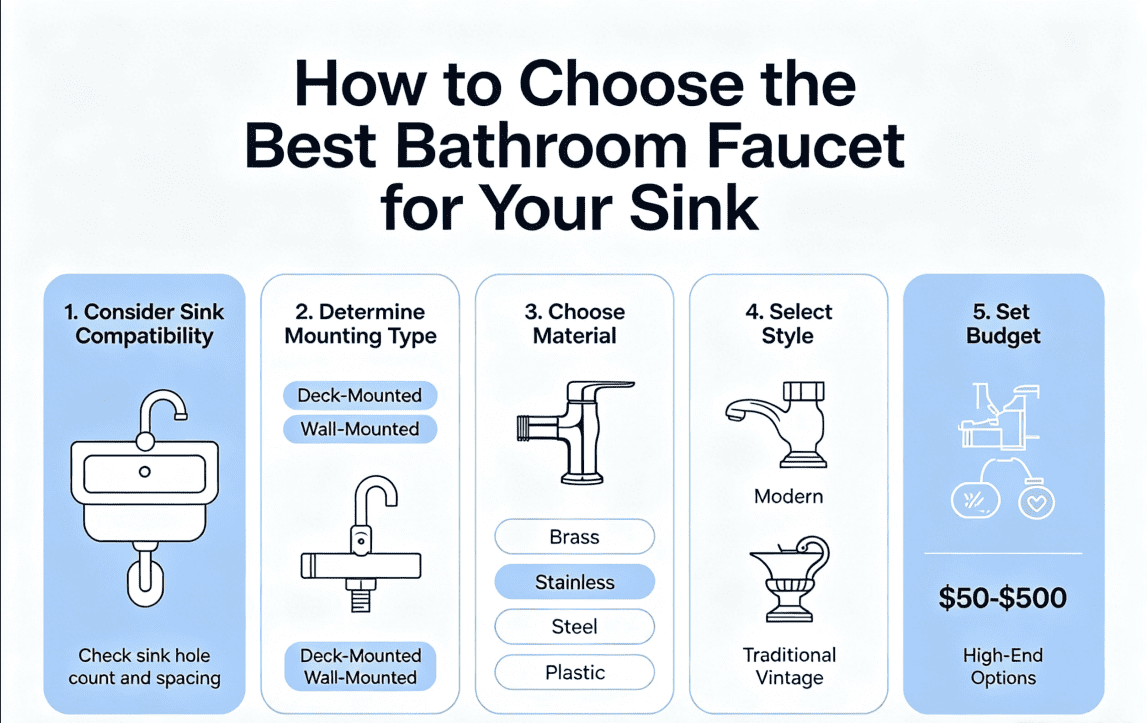
Step 1: Match the Faucet to Your Sink
Before comparing brands or finishes, determine your sink’s hole configuration.
- One-hole sink → Single-handle faucet
- Three-hole sink (4-inch spacing) → Centerset faucet
- Three-hole sink (8-inch spacing) → Widespread faucet
- Wall-mounted sink → Wall-mounted faucet
Choosing the wrong configuration usually requires expensive modifications or replacement parts.
Step 2: Choose the Best Material
| Material | Durability | Corrosion Resistance | Recommended |
|---|---|---|---|
| Solid Brass | ★★★★★ | ★★★★★ | Best Overall |
| Stainless Steel | ★★★★☆ | ★★★★★ | Excellent |
| Zinc Alloy | ★★★☆☆ | ★★★☆☆ | Budget Choice |
| Plastic Composite | ★★☆☆☆ | ★★★★☆ | Temporary Use |
Solid brass remains the industry standard because it resists corrosion, handles hard water well, and has a long service life.
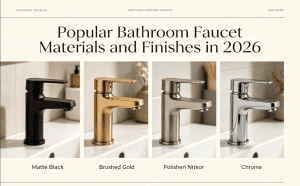
Which Finish Should You Choose?
| Finish | Fingerprint Resistance | Maintenance | Style |
|---|---|---|---|
| Chrome | Medium | Easy | Classic |
| Brushed Nickel | Excellent | Very Easy | Contemporary |
| Matte Black | Very Good | Low | Modern |
| Brushed Gold | Good | Low | Luxury |
| Oil-Rubbed Bronze | Good | Medium | Traditional |
For busy family bathrooms, brushed nickel is often the easiest finish to keep clean because it hides fingerprints and water spots better than polished chrome.
Don’t Ignore the Valve Inside
The visible faucet body is only half of the story. The valve inside determines how smoothly the faucet operates and how long it lasts.
- Ceramic disc valve – Longest lifespan and excellent leak resistance.
- Ball valve – Common in single-handle faucets but may require occasional maintenance.
- Compression valve – Affordable but wears out more quickly.
- Cartridge valve – Smooth operation and relatively easy replacement.
If possible, choose a faucet equipped with a ceramic disc cartridge. Although the initial cost is slightly higher, it significantly reduces future maintenance.
Real-Life Buying Experience
Several years ago, I installed an inexpensive zinc-alloy faucet in a guest bathroom because the price was attractive. Within three years, the finish started peeling around the base, and the handle developed noticeable wobble.
When remodeling the main bathroom later, I invested in a solid brass faucet with a ceramic cartridge and brushed nickel finish. After years of daily family use, it still operates smoothly with no leaks, corrosion, or noticeable wear.
The experience confirmed that paying a little more upfront usually results in lower long-term maintenance costs.
How to Choose Based on Your Household
Small Apartment
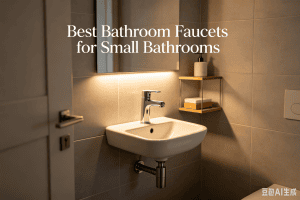
A compact single-handle faucet saves valuable countertop space while making everyday operation quick and simple.
Family Bathroom
Choose durable finishes like brushed nickel combined with ceramic valves for years of reliable performance.
Luxury Renovation
Widespread faucets paired with stone countertops create a premium appearance and offer greater design flexibility.
If you’re also upgrading other areas of your home, our guides on How to Choose the Best Balcony Drying Rack for Your Home and What Is a Kitchen Storage Rack and Why Do You Need One? provide additional practical advice for improving everyday living spaces.
For information on water efficiency and plumbing fixture performance standards, consult the EPA WaterSense Program, which publishes recommendations for selecting water-saving bathroom fixtures.
Common Bathroom Faucet Materials Compared
| Material | Typical Price | Durability | Maintenance | Pros | Cons |
|---|---|---|---|---|---|
| Solid Brass | $$$ | Excellent | Low | Corrosion-resistant, long lifespan, premium quality | Higher initial cost |
| Stainless Steel | $$ | Very Good | Low | Rust-resistant, modern appearance | Usually fewer finish options |
| Zinc Alloy | $ | Moderate | Medium | Affordable and lightweight | Less durable over many years |
| Plastic (ABS) | $ | Low | Medium | Budget-friendly | Shorter lifespan and lower strength |
How Different Households Should Choose
Small Apartment
If your bathroom has limited counter space, choose a compact single-hole faucet with a medium-height spout. It keeps the vanity looking clean while providing enough room for daily washing.
Family Bathroom
For households with children, durability matters more than appearance. A brass faucet with a ceramic cartridge and fingerprint-resistant finish requires less maintenance and stands up well to frequent use.
Guest Bathroom
A widespread faucet with a brushed nickel finish offers a premium appearance while hiding fingerprints and water spots between cleanings.
Luxury Master Bathroom
If you’re designing a high-end bathroom, a matte black or brushed gold faucet paired with a vessel sink creates a strong visual focal point. Just remember that taller faucets require deeper sinks to minimize splashing.
Real-World Buying Experience
When I renovated a family bathroom several years ago, I was initially tempted to buy the least expensive faucet available online. It looked nearly identical to premium models in the photos.
Within eight months, the handle became loose, mineral deposits appeared around the aerator, and the finish started fading. Replacing the faucet ended up costing more than buying a better model in the first place.
For the next bathroom, I selected a solid brass faucet with a ceramic disc cartridge. Even after years of daily use, the handle still operates smoothly, the finish remains attractive, and cleaning takes only a few minutes each week. That experience completely changed how I evaluate bathroom fixtures.
Simple Maintenance Tips
- Clean the faucet weekly using mild soap and a microfiber cloth.
- Avoid abrasive pads that may scratch protective finishes.
- Remove and rinse the aerator every 6–12 months.
- Dry the faucet after use if you live in a hard water area.
- Inspect supply hose connections once a year for small leaks.
- Replace worn washers or cartridges before leaks become severe.
Common Buying Mistakes
- Buying a faucet without measuring sink hole spacing.
- Choosing style over compatibility.
- Ignoring faucet height when installing above vessel sinks.
- Selecting cheap plastic internal components.
- Overlooking warranty coverage.
- Choosing finishes that require frequent polishing.
Frequently Asked Questions
1. What is the best material for a bathroom faucet?
Solid brass remains the best overall choice because it offers excellent corrosion resistance, durability, and a long service life.
2. Should I choose a single-handle or double-handle faucet?
Single-handle faucets are easier to operate and clean, while double-handle models provide more precise temperature control and a traditional appearance.
3. Which faucet finish requires the least maintenance?
Brushed nickel and brushed stainless steel are among the easiest finishes to maintain because they hide fingerprints, soap residue, and water spots better than polished chrome.
4. How long should a quality bathroom faucet last?
A well-built brass faucet with a ceramic cartridge typically lasts 15–20 years or even longer with routine maintenance.
5. Can I replace a bathroom faucet myself?
Yes. Many homeowners can complete the installation within one to three hours using basic plumbing tools, provided the shut-off valves are functioning correctly.
Related Resources
If you’re renovating multiple areas of your home, you may also find these guides helpful:
For detailed guidance on selecting faucet finishes and understanding WaterSense-certified products, the U.S. Environmental Protection Agency provides excellent homeowner resources:
EPA WaterSense.
Conclusion
The best bathroom faucet isn’t necessarily the most expensive one—it’s the faucet that matches your sink, daily habits, water quality, and design preferences. Prioritize solid construction, ceramic disc cartridges, the correct mounting configuration, and a finish that’s easy to maintain. Spending a little more on quality materials today can save years of repairs, leaks, and frustration.
Whether you’re upgrading a guest bathroom or completing a full renovation, taking time to compare faucet types, materials, and installation requirements will help you choose a fixture that looks great and performs reliably for many years.