Siphonic toilets are famous for their smooth and powerful flushing action. Unlike washdown toilets that rely mainly on direct water force, siphonic toilets use suction to pull waste through the trapway efficiently and quietly.
Many homeowners notice that siphonic toilets often feel cleaner, quieter, and more refined during operation. But what actually creates that strong suction effect?
The answer lies in toilet hydraulics, trapway engineering, water velocity, and air pressure balance. Understanding how the siphon effect works can help homeowners improve flushing performance, diagnose weak flush problems, and choose the right toilet system for their bathroom.
Quick Answer
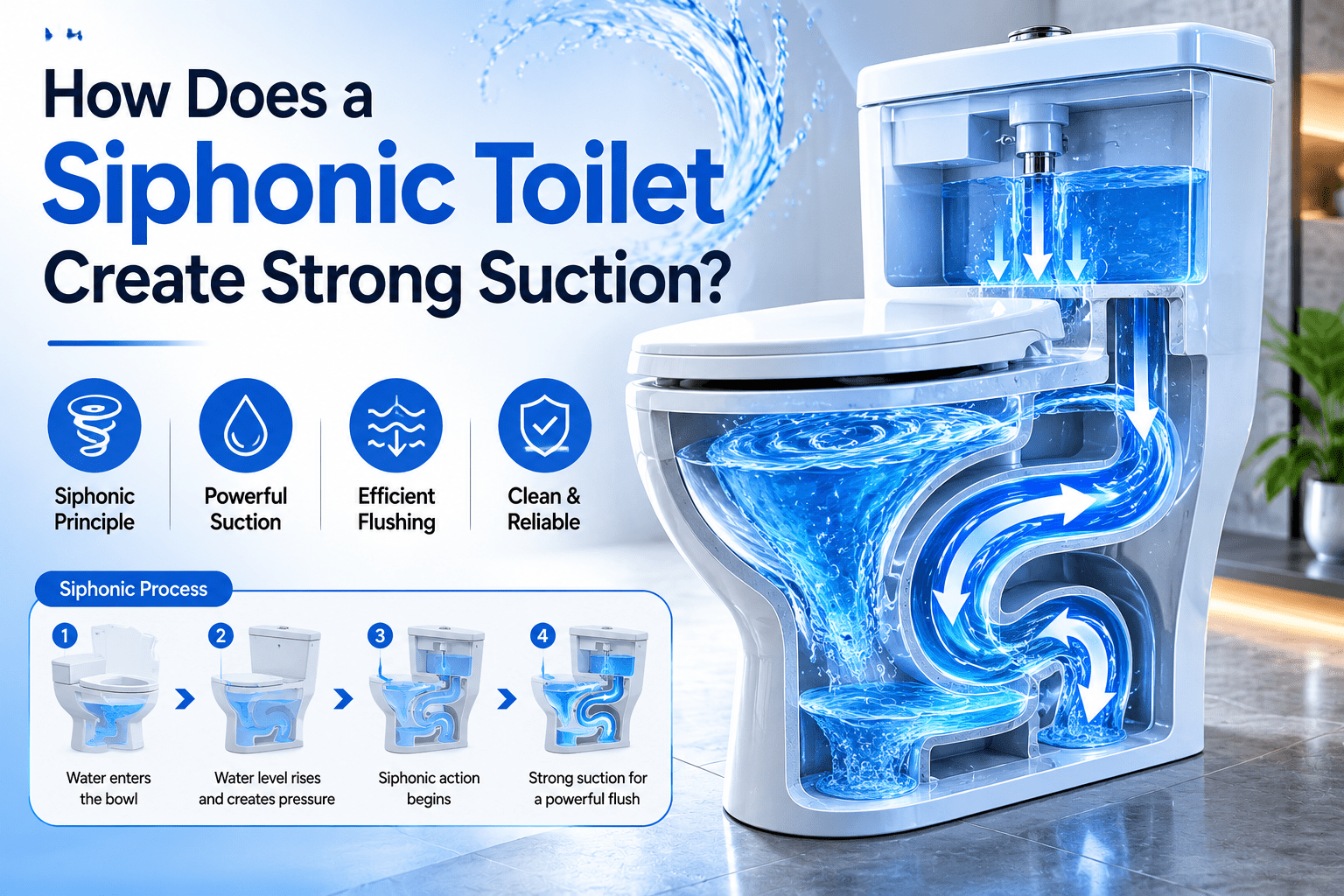
A siphonic toilet creates strong suction by rapidly filling the trapway with water during flushing. Once the curved trapway becomes fully filled, negative pressure forms and creates a siphon effect that pulls waste through the drain system.
What Is the Siphon Effect?
The siphon effect occurs when liquid completely fills a curved tube, allowing gravity and pressure differences to pull the liquid downward continuously.
In a siphonic toilet, the trapway is specifically engineered to create this effect during flushing.
Once enough water enters the bowl quickly, the trapway fills completely. As water begins flowing downward through the trapway outlet, negative pressure forms behind it, creating strong suction that removes waste efficiently.
How a Siphonic Toilet Flushes Step by Step
| Step | What Happens |
|---|---|
| 1 | Flush valve opens |
| 2 | Tank water rushes into bowl |
| 3 | Water rapidly fills trapway |
| 4 | Trapway becomes fully sealed with water |
| 5 | Negative pressure creates siphon suction |
| 6 | Waste gets pulled through drain |
| 7 | Air enters trapway and breaks siphon |
Why Trapway Shape Matters
The curved trapway is the heart of every siphonic toilet.
Unlike washdown toilets that often use shorter and wider trapways, siphonic systems use longer curved channels specifically designed to sustain suction.
Key design factors include:
- Trapway diameter
- Curvature angle
- Surface smoothness
- Water velocity
- Airflow control
Premium siphonic toilets usually feature glazed trapways that reduce friction and improve waste movement.
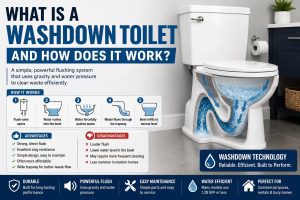
Siphonic vs Washdown Flushing Mechanism
| Feature | Siphonic Toilet | Washdown Toilet |
|---|---|---|
| Main Force | Suction | Gravity push |
| Flush Noise | Quieter | Louder |
| Trapway Design | Long curved trapway | Short direct trapway |
| Bowl Water Spot | Larger | Smaller |
| Splash Risk | Lower | Higher |
| Clog Resistance | Moderate | High |
For a complete comparison between both systems, read Siphonic vs Washdown Toilets: Which One Is Better for Your Bathroom?.
What Makes Siphonic Suction Stronger?
1. Fast Water Release
The quicker water enters the bowl, the faster the trapway seals completely and creates suction.
Modern large flush valves help improve this process significantly.
2. Proper Tank Water Level
If the tank water level is too low, there may not be enough water volume to sustain strong siphonic action.
3. Smooth Trapway Surface
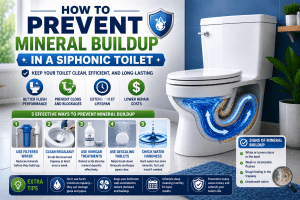
Mineral buildup and rough surfaces reduce water speed and weaken suction efficiency.
4. Correct Ventilation
Drain system venting helps maintain balanced air pressure. Blocked vents can weaken siphonic performance dramatically.
Real-World Example
A homeowner noticed that their siphonic toilet suddenly lost flushing strength after years of reliable performance.
At first, they assumed the toilet itself was failing. However, the actual issue turned out to be heavy mineral buildup inside the rim jets and partial blockage inside the vent stack.
After cleaning the system and restoring airflow, the toilet regained its strong suction and smooth flushing action almost immediately.
This situation is surprisingly common in older homes with hard water.
Can You Improve Siphonic Suction?
Yes. Several maintenance and upgrade steps can noticeably improve flushing power.
| Upgrade or Fix | Typical Cost | Performance Impact |
|---|---|---|
| Adjust water level | $0 | Moderate |
| Clean rim jets | $10–$20 | High |
| Upgrade flush valve | $30–$80 | High |
| Remove mineral buildup | $20–$100 | Moderate |
| Repair vent blockage | $100–$300 | Very High |
For detailed performance improvement tips, read How to Improve Siphonic Toilet Flushing Power.
Why Siphonic Toilets Are Usually Quieter
Because the waste removal process relies heavily on suction instead of explosive downward force, siphonic toilets generally create less flushing noise.
This makes them especially popular in:
- Master bathrooms
- Luxury homes
- Nighttime-use bathrooms
- Apartment buildings
Do Siphonic Toilets Clog More Easily?
Historically, some older siphonic models had narrower trapways that clogged more often.
However, modern siphonic toilets now use:
- Larger glazed trapways
- Improved bowl hydraulics
- Pressure-assisted flushing
- Optimized water distribution
Many premium models now perform extremely well while maintaining quiet operation.
How Cleaning Affects Suction Performance
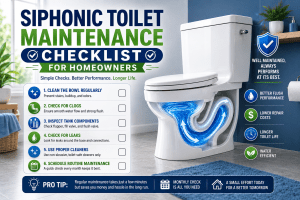
Regular cleaning plays a major role in maintaining siphonic strength.
Mineral buildup inside rim jets and trapways can slow water movement and weaken the siphon effect over time.
If maintenance convenience matters to you, Which Toilet Type Is Easier to Clean? compares cleaning requirements between major toilet systems.
External Plumbing Reference
According to the EPA WaterSense Program, high-efficiency toilet designs can significantly reduce household water usage while maintaining strong flushing performance through improved hydraulic engineering.
Frequently Asked Questions
1. What creates suction inside a siphonic toilet?
The suction forms when water completely fills the curved trapway and creates negative pressure during drainage.
2. Why are siphonic toilets quieter?
They rely more on smooth suction flow instead of aggressive direct flushing force.
3. Can low water levels weaken suction?
Yes. Insufficient water volume reduces the ability to fully activate the siphon effect.
4. Do clogged rim jets affect siphonic performance?
Absolutely. Restricted water flow weakens the speed needed to create strong suction.
5. Are modern siphonic toilets still prone to clogging?
Most modern models have improved trapway designs that greatly reduce clogging compared to older versions.
Conclusion
Siphonic toilets create strong suction through a carefully engineered combination of water velocity, trapway design, and air pressure control. Once the trapway fills completely during flushing, negative pressure develops and pulls waste efficiently through the system.
This suction-based design provides quieter flushing, smoother operation, and cleaner bowl performance compared to many traditional washdown toilets. With proper maintenance and modern engineering improvements, siphonic toilets remain one of the most comfortable and efficient toilet systems available for residential bathrooms today.