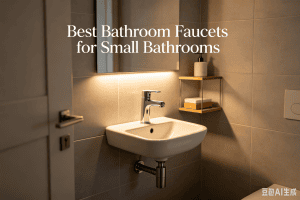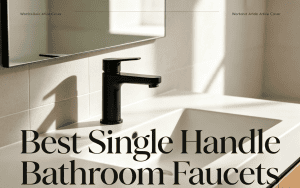
Choosing a bathroom faucet may seem like a simple decision, but the right faucet can affect your bathroom’s appearance, water efficiency, daily comfort, and long-term maintenance costs.
Many homeowners focus only on design when selecting a faucet. However, after years of home renovation projects, I have found that the best bathroom faucet is not always the most expensive or the most stylish one. It should match your sink type, family habits, water quality, and maintenance expectations.
Whether you are renovating a master bathroom, upgrading a guest bathroom, or replacing an old leaking faucet, understanding faucet types, materials, installation requirements, and features will help you make a smarter choice in 2026.
Quick Conclusion: What Is the Best Bathroom Faucet for Your Home?
The best bathroom faucet depends on your specific needs:
- Best overall choice: Single-handle ceramic cartridge faucet for easy operation and durability.
- Best for modern bathrooms: Matte black or brushed nickel faucets with minimalist designs.
- Best for families: Touchless faucets that improve hygiene and reduce water waste.
- Best long-term investment: Solid brass faucet with ceramic valve technology.
For most homeowners, choosing a faucet with durable materials, water-saving features, and easy replacement parts provides the best balance between price and performance.
Why Choosing the Right Bathroom Faucet Matters
A bathroom faucet is used several times every day. A low-quality faucet may look attractive initially but can develop problems such as dripping, corrosion, weak water flow, or difficult temperature control.
A high-quality bathroom faucet can provide:
- Better water control
- Longer service life
- Easier cleaning
- Improved bathroom appearance
- Lower maintenance costs
A faucet is a small bathroom fixture, but it plays an important role in daily comfort.
Bathroom Faucet Types Compared
| Faucet Type | Average Price | Installation | Advantages | Disadvantages |
|---|---|---|---|---|
| Single Handle Faucet | $50–$300 | Easy to Medium | Simple operation, modern design, space-saving | Temperature control may be less precise |
| Double Handle Faucet | $80–$400 | Medium | Better temperature adjustment and classic appearance | Requires more sink space |
| Touchless Faucet | $150–$600 | Medium | Excellent hygiene and water efficiency | Higher cost and requires batteries or power |
| Wall-Mounted Faucet | $200–$800 | Difficult | Luxury appearance and easy countertop cleaning | More complicated installation |
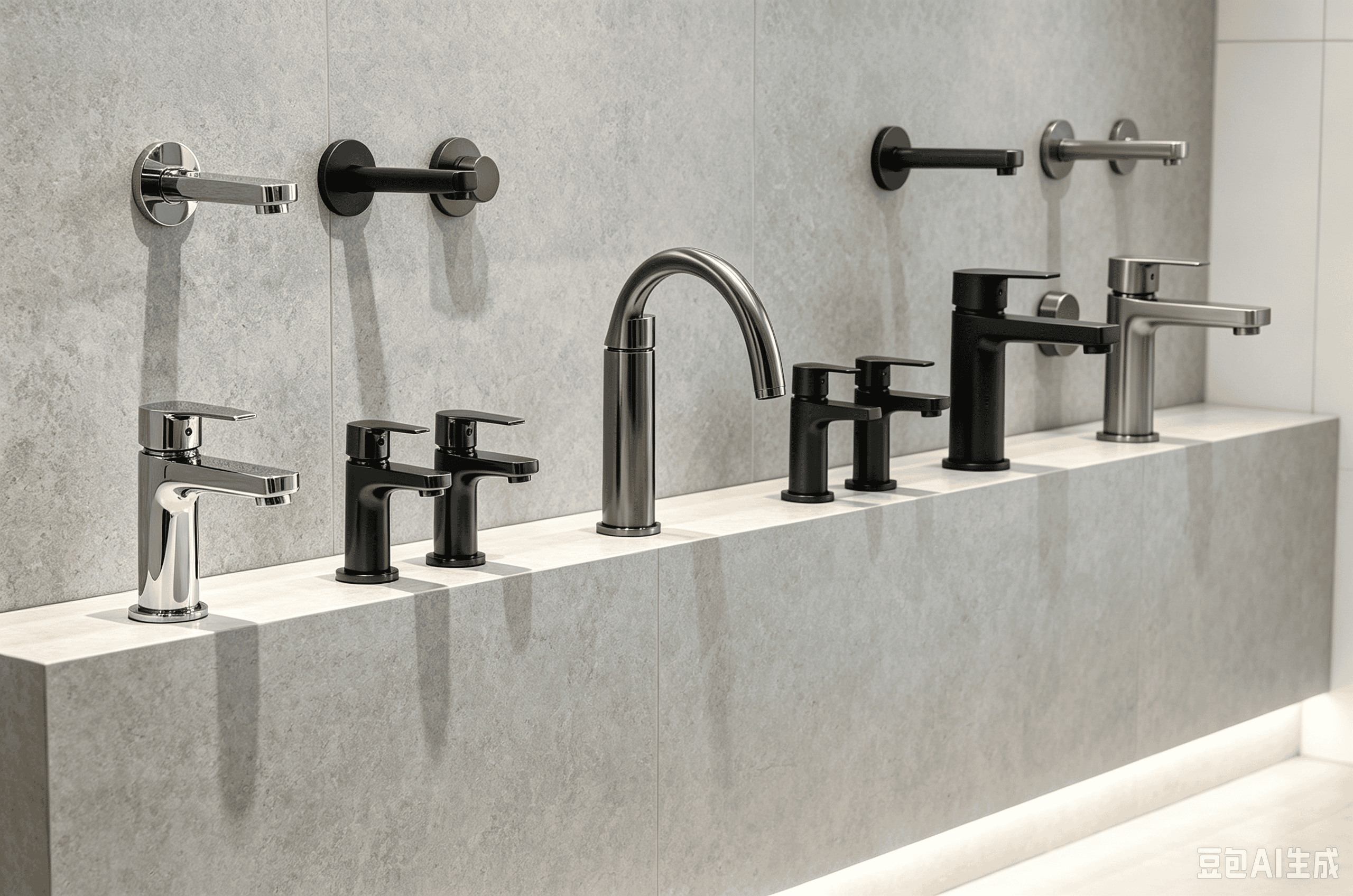
Step 1: Choose the Right Faucet Style for Your Bathroom
The faucet style should match both your sink design and overall bathroom decoration.
Modern Bathroom Design
For contemporary bathrooms, homeowners often choose:
- Matte black finishes
- Brushed nickel faucets
- Square or minimalist shapes
- Single-handle designs
These styles create a clean appearance and work well with modern bathroom cabinets and mirrors.
Traditional Bathroom Design
Traditional bathrooms usually match better with:
- Chrome finishes
- Polished brass
- Two-handle faucets
- Decorative designs
Step 2: Select the Best Faucet Material
The material determines durability, corrosion resistance, and maintenance requirements.
| Material | Durability | Maintenance | Best For |
|---|---|---|---|
| Solid Brass | Excellent | Low | Long-term homeowners |
| Stainless Steel | Very Good | Low | Modern bathrooms |
| Zinc Alloy | Average | Medium | Budget renovations |
| Plastic Components | Low | Higher | Temporary solutions |
Step 3: Consider Your Sink Compatibility
One of the most common faucet buying mistakes is choosing a faucet that does not match the sink configuration.
Before purchasing, check:
- Number of faucet holes in your sink
- Distance between mounting holes
- Sink depth
- Countertop thickness
For example, a single-hole vessel sink usually works best with a tall single-handle faucet, while a traditional three-hole sink requires a compatible widespread or centerset faucet.
Step 4: Choose Practical Features for Daily Use
Modern bathroom faucets in 2026 offer many useful features beyond basic water flow.
- Ceramic cartridge: Improves durability and reduces leaking.
- Water-saving aerator: Helps reduce water consumption.
- Touchless sensor: Improves hygiene.
- Pull-out design: Adds flexibility for cleaning.
- Easy-clean coating: Reduces mineral buildup.
Real Home Experience: Common Faucet Selection Mistakes
Many homeowners choose faucets based only on appearance and later discover practical problems.
For example, a very tall faucet may look impressive but can create water splashing problems when paired with a shallow sink. A beautiful matte black faucet may also require more frequent cleaning in areas with hard water.
Before buying, consider your real daily routine:
- Do children use the bathroom?
- Is your water supply hard water?
- Do you prefer easy cleaning?
- Will elderly family members use the faucet?
Bathroom Faucet Recommendations Based on Different Needs
| User Situation | Recommended Faucet | Reason |
|---|---|---|
| Family bathroom | Single-handle ceramic faucet | Easy operation and reliable |
| Luxury bathroom renovation | Wall-mounted faucet | Premium appearance |
| Small bathroom | Compact single-hole faucet | Saves countertop space |
| High hygiene requirements | Touchless faucet | Reduces hand contact |
How to Maintain a Bathroom Faucet
- Clean mineral deposits regularly.
- Avoid harsh chemical cleaners that damage finishes.
- Check for leaks every few months.
- Replace worn cartridges promptly.
- Dry the faucet surface after use to reduce water spots.
Related Bathroom Faucet Guides
Frequently Asked Questions About Choosing Bathroom Faucets
1. What type of bathroom faucet is most popular in 2026?
Single-handle faucets remain one of the most popular choices because they are easy to use, space-efficient, and available in many modern designs.
2. Is a brass faucet better than stainless steel?
Both materials are durable. Solid brass usually offers excellent long-term performance, while stainless steel provides a modern appearance and good corrosion resistance.
3. How long should a bathroom faucet last?
A quality bathroom faucet can often last 10 years or more with proper maintenance and timely replacement of internal parts.
4. Are touchless bathroom faucets worth buying?
Touchless faucets are a good choice for families, public bathrooms, and homeowners who prioritize hygiene and water efficiency.
5. Should I repair or replace my old bathroom faucet?
If the faucet only has a worn cartridge or small leak, repair may be enough. If it has corrosion, cracks, or repeated problems, replacement is usually better.
Conclusion: Choosing the Best Bathroom Faucet for Your Home in 2026
The best bathroom faucet is not simply the one with the most attractive design. It should match your sink, bathroom style, daily habits, and maintenance expectations.
For most homeowners, a durable single-handle faucet with a ceramic cartridge, quality material, and water-saving features is a reliable long-term choice.
By considering faucet type, material, installation requirements, and real household needs, you can choose a bathroom faucet that improves both the appearance and functionality of your bathroom for years.