The material and finish of a bathroom faucet affect more than appearance. They also influence durability, cleaning difficulty, resistance to corrosion, and how well the faucet maintains its look over time.
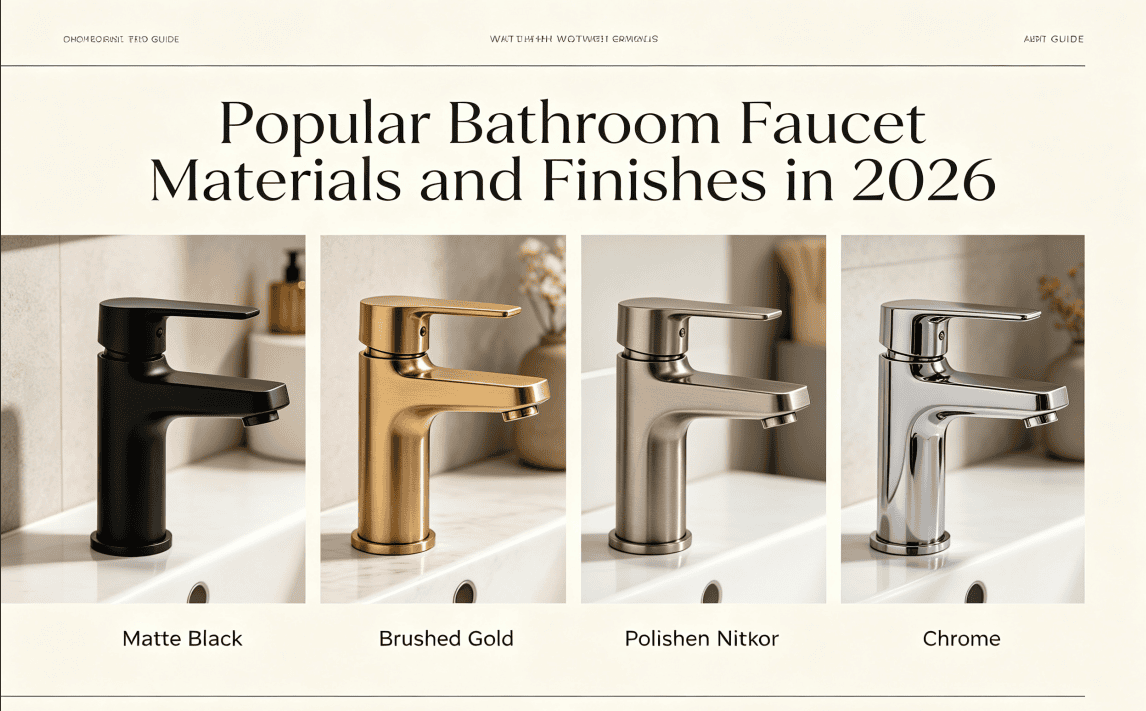
1. Brushed Nickel — The Most Practical Finish
Brushed nickel remains one of the safest choices for modern bathrooms because it combines a warm appearance with excellent resistance to fingerprints and water spots.
Advantages
- Easy to maintain
- Hides fingerprints better than polished finishes
- Matches many bathroom styles
- Durable surface
Disadvantages
- Less dramatic than black or chrome finishes
- May not match ultra-modern designs
Best for: Family bathrooms, rental properties, and homeowners who want a timeless design.
2. Matte Black — Best for Modern Design
Matte black faucets have become extremely popular in contemporary bathrooms because they create a strong visual contrast against white sinks and light-colored tiles.
Advantages
- Modern and stylish appearance
- Works well with minimalist designs
- Creates a luxury feeling
Disadvantages
- May show mineral deposits in hard water areas
- Requires regular wiping to maintain appearance
Best for: Modern, industrial, and Scandinavian-style bathrooms.
3. Chrome — Affordable and Classic
Chrome remains a popular option because it is affordable, widely available, and easy to match with existing bathroom fixtures.
Advantages
- Budget friendly
- Highly reflective appearance
- Easy replacement availability
Disadvantages
- Shows fingerprints and water spots
- May require frequent cleaning
Real Homeowner Experience: What Matters After Installation?
Many homeowners are surprised that the most important faucet features are not always the ones they notice in the showroom.
During bathroom renovation projects, I have seen beautiful faucets become frustrating because they had:
- Short spouts that caused water to splash outside the sink
- Low-quality cartridges that started dripping within a few years
- Hard-to-clean shapes that collected mineral buildup
A good example is faucet height. A tall faucet may look impressive, but if installed with a shallow sink, it can create excessive splashing. The best combination is a faucet height and spout reach that directs water close to the center of the basin.
Water Efficiency: How Much Water Can a Modern Faucet Save?
Water-saving technology has become an important feature in modern bathroom faucets. Many newer models include aerators that reduce water consumption while maintaining comfortable pressure.
| Faucet Type | Typical Flow Rate | Water Efficiency |
|---|---|---|
| Older Bathroom Faucet | 2.5+ gallons per minute | Lower efficiency |
| Standard Modern Faucet | Around 1.5 gallons per minute | Good efficiency |
| WaterSense Certified Faucet | 1.5 gallons per minute or less | High efficiency |
Installation Tips for Better Long-Term Performance
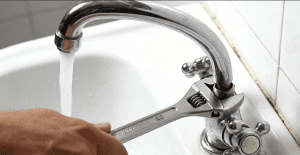
A high-quality faucet can still develop problems if installed incorrectly. Proper installation is essential for preventing leaks and improving durability.
- Check that the sink holes match the faucet design.
- Use quality sealing materials around connections.
- Avoid overtightening supply lines.
- Flush water lines before final installation.
- Check for leaks after several hours of use.
For DIY installation, replacing an existing faucet is usually manageable. However, wall-mounted faucets or plumbing modifications should usually be handled by a professional plumber.
How to Maintain a Bathroom Faucet Properly
Regular maintenance can significantly extend faucet lifespan and keep the finish looking new.
- Clean the surface weekly with mild soap and water.
- Avoid abrasive cleaners that damage finishes.
- Remove mineral buildup from the aerator every few months.
- Dry excess water after use in hard water areas.
- Repair small leaks quickly to prevent cartridge damage.
A faucet that receives simple maintenance can often perform reliably for 10 years or longer.
Frequently Asked Questions
1. What is the best bathroom faucet style for a modern bathroom?
Single-handle faucets with clean lines are usually the best choice for modern bathrooms because they provide a minimalist appearance and easy daily operation.
2. Are touchless bathroom faucets worth buying?
Touchless faucets are worth considering for families, smart homes, and homeowners who prioritize hygiene. However, traditional faucets are usually easier and cheaper to maintain.
3. Which bathroom faucet finish is easiest to clean?
Brushed nickel is generally one of the easiest finishes to maintain because it hides fingerprints and water spots better than polished chrome.
4. How long should a bathroom faucet last?
A quality bathroom faucet can last approximately 10–20 years depending on material quality, water conditions, installation quality, and maintenance.
5. Should I replace my bathroom faucet when remodeling?
Yes. If you are updating your bathroom design, replacing an old faucet can improve appearance, water efficiency, and reliability with relatively low installation effort.
Conclusion
The best bathroom faucets for modern bathrooms in 2026 combine attractive design, reliable internal components, efficient water usage, and easy maintenance.
For most homeowners, a single-handle ceramic cartridge faucet with a brushed nickel or matte black finish provides the best overall value. Families may prefer touchless models for convenience, while luxury bathroom renovations can benefit from widespread or wall-mounted designs.
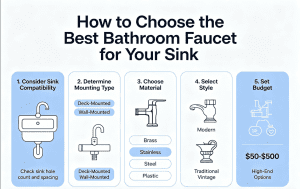
Before purchasing, always consider your sink configuration, bathroom style, water quality, cleaning habits, and long-term maintenance expectations. A carefully selected faucet will not only improve your bathroom’s appearance but also provide years of reliable everyday performance.
Popular Bathroom Faucet Materials and Finishes in 2026
The material and finish of a bathroom faucet affect more than appearance. They also influence durability, cleaning difficulty, resistance to corrosion, and how well the faucet maintains its look over time.
1. Brushed Nickel — The Most Practical Finish
Brushed nickel remains one of the safest choices for modern bathrooms because it combines a warm appearance with excellent resistance to fingerprints and water spots.
Advantages
- Easy to maintain
- Hides fingerprints better than polished finishes
- Matches many bathroom styles
- Durable surface
Disadvantages
- Less dramatic than black or chrome finishes
- May not match ultra-modern designs
Best for: Family bathrooms, rental properties, and homeowners who want a timeless design.
2. Matte Black — Best for Modern Design
Matte black faucets have become extremely popular in contemporary bathrooms because they create a strong visual contrast against white sinks and light-colored tiles.
Advantages
- Modern and stylish appearance
- Works well with minimalist designs
- Creates a luxury feeling
Disadvantages
- May show mineral deposits in hard water areas
- Requires regular wiping to maintain appearance
Best for: Modern, industrial, and Scandinavian-style bathrooms.
3. Chrome — Affordable and Classic
Chrome remains a popular option because it is affordable, widely available, and easy to match with existing bathroom fixtures.
Advantages
- Budget friendly
- Highly reflective appearance
- Easy replacement availability
Disadvantages
- Shows fingerprints and water spots
- May require frequent cleaning
Real Homeowner Experience: What Matters After Installation?
Many homeowners are surprised that the most important faucet features are not always the ones they notice in the showroom.
During bathroom renovation projects, I have seen beautiful faucets become frustrating because they had:
- Short spouts that caused water to splash outside the sink
- Low-quality cartridges that started dripping within a few years
- Hard-to-clean shapes that collected mineral buildup
A good example is faucet height. A tall faucet may look impressive, but if installed with a shallow sink, it can create excessive splashing. The best combination is a faucet height and spout reach that directs water close to the center of the basin.
Water Efficiency: How Much Water Can a Modern Faucet Save?
Water-saving technology has become an important feature in modern bathroom faucets. Many newer models include aerators that reduce water consumption while maintaining comfortable pressure.
| Faucet Type | Typical Flow Rate | Water Efficiency |
|---|---|---|
| Older Bathroom Faucet | 2.5+ gallons per minute | Lower efficiency |
| Standard Modern Faucet | Around 1.5 gallons per minute | Good efficiency |
| WaterSense Certified Faucet | 1.5 gallons per minute or less | High efficiency |
Installation Tips for Better Long-Term Performance
A high-quality faucet can still develop problems if installed incorrectly. Proper installation is essential for preventing leaks and improving durability.
- Check that the sink holes match the faucet design.
- Use quality sealing materials around connections.
- Avoid overtightening supply lines.
- Flush water lines before final installation.
- Check for leaks after several hours of use.
For DIY installation, replacing an existing faucet is usually manageable. However, wall-mounted faucets or plumbing modifications should usually be handled by a professional plumber.
How to Maintain a Bathroom Faucet Properly
Regular maintenance can significantly extend faucet lifespan and keep the finish looking new.
- Clean the surface weekly with mild soap and water.
- Avoid abrasive cleaners that damage finishes.
- Remove mineral buildup from the aerator every few months.
- Dry excess water after use in hard water areas.
- Repair small leaks quickly to prevent cartridge damage.
A faucet that receives simple maintenance can often perform reliably for 10 years or longer.
Frequently Asked Questions
1. What is the best bathroom faucet style for a modern bathroom?
Single-handle faucets with clean lines are usually the best choice for modern bathrooms because they provide a minimalist appearance and easy daily operation.
2. Are touchless bathroom faucets worth buying?
Touchless faucets are worth considering for families, smart homes, and homeowners who prioritize hygiene. However, traditional faucets are usually easier and cheaper to maintain.
3. Which bathroom faucet finish is easiest to clean?
Brushed nickel is generally one of the easiest finishes to maintain because it hides fingerprints and water spots better than polished chrome.
4. How long should a bathroom faucet last?
A quality bathroom faucet can last approximately 10–20 years depending on material quality, water conditions, installation quality, and maintenance.
5. Should I replace my bathroom faucet when remodeling?
Yes. If you are updating your bathroom design, replacing an old faucet can improve appearance, water efficiency, and reliability with relatively low installation effort.
Conclusion
The best bathroom faucets for modern bathrooms in 2026 combine attractive design, reliable internal components, efficient water usage, and easy maintenance.
For most homeowners, a single-handle ceramic cartridge faucet with a brushed nickel or matte black finish provides the best overall value. Families may prefer touchless models for convenience, while luxury bathroom renovations can benefit from widespread or wall-mounted designs.
Before purchasing, always consider your sink configuration, bathroom style, water quality, cleaning habits, and long-term maintenance expectations. A carefully selected faucet will not only improve your bathroom’s appearance but also provide years of reliable everyday performance.