
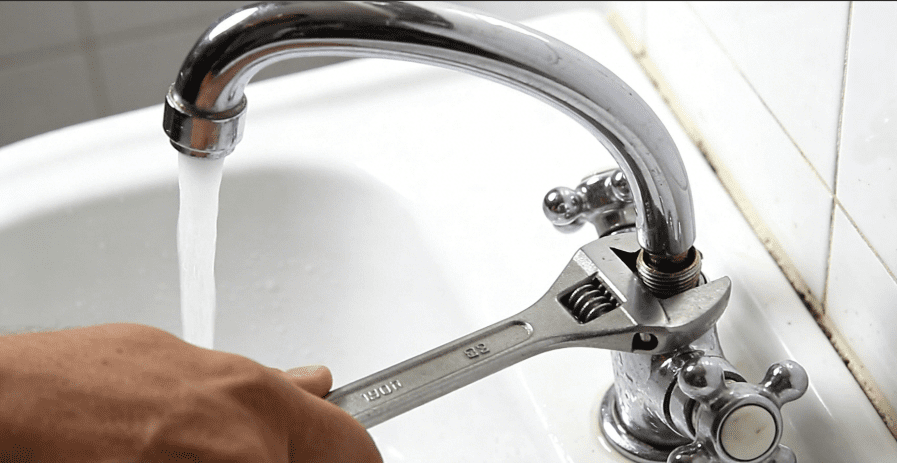
If your bathroom faucet is leaking, outdated, or simply not working as it should, replacing it can make a huge difference—not just in functionality, but also in the overall look of your bathroom.
The good news is that you don’t need to be a professional plumber to handle this job. With the right tools and a clear step-by-step approach, most homeowners can successfully disassemble and replace a bathroom faucet in under an hour.
In this guide, I’ll walk you through the process based on real-world renovation experience, helping you avoid common mistakes and get the job done efficiently.
Tools and Materials You’ll Need
- Adjustable wrench
- Basin wrench (recommended)
- Screwdriver
- Bucket or towel
- Plumber’s tape (Teflon tape)
- New faucet kit
Quick Overview of the Process
| Step | Action | Purpose |
|---|---|---|
| 1 | Turn off water supply | Prevent leaks and flooding |
| 2 | Disconnect supply lines | Free the faucet from plumbing |
| 3 | Remove mounting nuts | Detach the old faucet |
| 4 | Install new faucet | Secure new fixture |
| 5 | Reconnect water lines | Restore water flow |
Step-by-Step Instructions
1. Turn Off the Water Supply
Before doing anything, locate the shut-off valves under the sink and turn them clockwise. Then turn on the faucet briefly to release any remaining water pressure.
2. Disconnect the Water Supply Lines
Use an adjustable wrench to loosen the nuts connecting the supply lines to the faucet. Keep a bucket or towel underneath to catch any dripping water.
3. Remove the Old Faucet
From underneath the sink, locate the mounting nuts that hold the faucet in place.
- Use a basin wrench for tight spaces
- Unscrew the nuts carefully
- Lift the faucet out from above
Clean the sink surface thoroughly before installing the new unit.
4. Install the New Faucet
Place the new faucet into the mounting holes and align it properly.
- Secure it using the provided mounting hardware
- Make sure it sits level and stable
Follow the manufacturer’s instructions for best results.
5. Reconnect the Water Lines
Attach the supply lines to the new faucet and tighten them securely. Use plumber’s tape on threaded connections to prevent leaks.
6. Turn the Water Back On and Test
Slowly turn the water supply back on and check for leaks.
- Run both hot and cold water
- Inspect all connections
- Tighten if necessary
Common Mistakes to Avoid
- Skipping the shut-off step – This can lead to water damage
- Over-tightening connections – Can damage fittings
- Not cleaning the surface – May cause improper sealing
- Using the wrong tools – Makes the job harder than it should be
When Should You Replace Instead of Repair?
If your faucet has multiple issues—like corrosion, persistent leaks, or outdated design—it’s usually more cost-effective to replace it entirely.
If you’re planning a broader bathroom upgrade, you may also want to read our toilet comparison guide to choose the right fixtures.
For plumbing standards and water efficiency recommendations, refer to the EPA WaterSense Program.
Frequently Asked Questions
1. How long does it take to replace a bathroom faucet?
For most DIYers, it takes about 30 to 60 minutes, depending on accessibility and experience.
2. Do I need a plumber to replace a faucet?
Not usually. As long as you follow the steps carefully and have basic tools, this is a beginner-friendly project.
3. Why is my new faucet leaking after installation?
Leaks are usually caused by loose connections or missing plumber’s tape. Double-check all fittings and tighten as needed.
Conclusion
Replacing a bathroom faucet is one of the most practical and rewarding DIY upgrades you can do. It improves both functionality and aesthetics without requiring advanced plumbing skills.
By following the correct steps—turning off the water, removing the old fixture, and installing the new one carefully—you can complete the job confidently and avoid common pitfalls.
